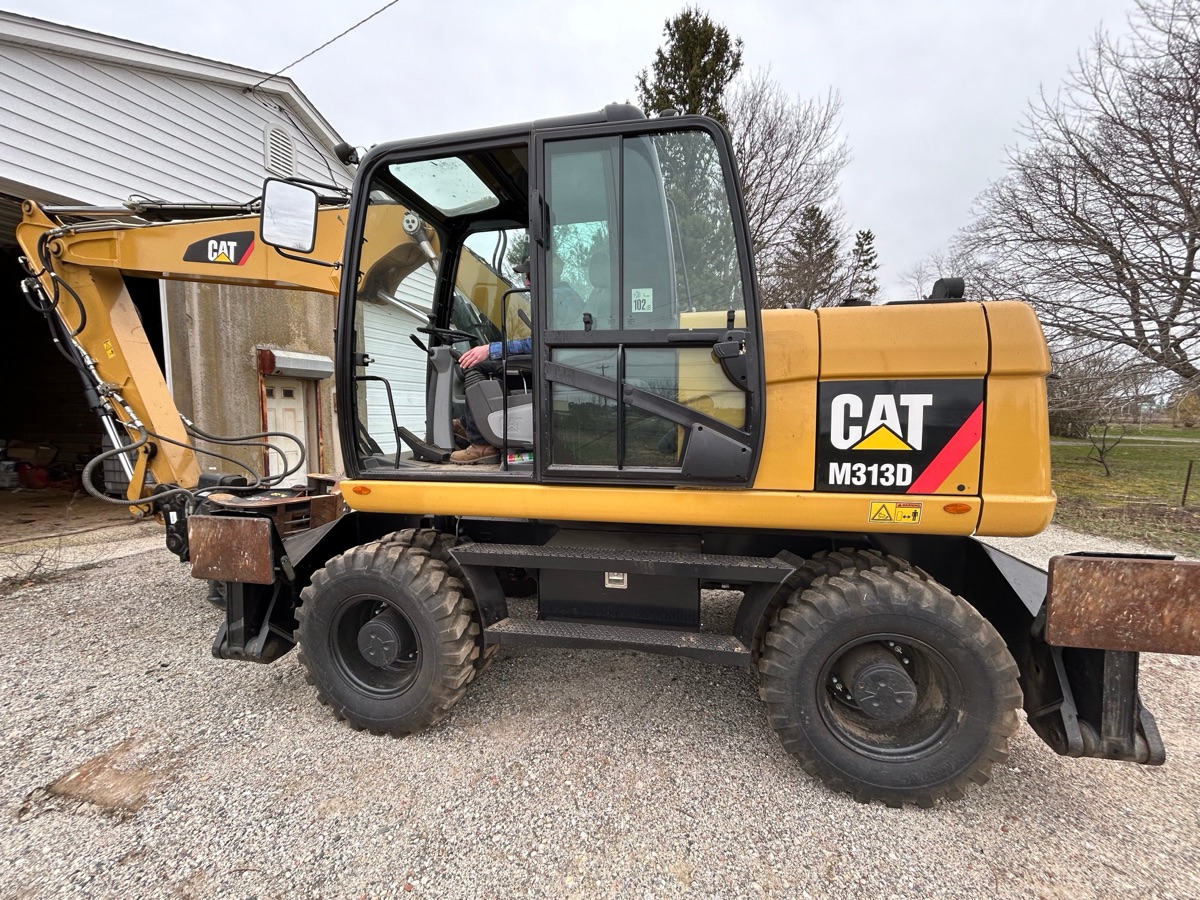
Why Emission Tiers Matter When Buying Equipment
Every diesel engine in heavy equipment sold in the US must meet EPA emission standards. These standards have tightened dramatically over the past 20 years, and the emission tier of your equipment affects where you can operate, maintenance costs, fuel consumption, and resale value.
The Tier Timeline
| Tier | Year Range | Key Requirements | Technology Used |
|---|---|---|---|
| Tier 1 | 1996 – 2003 | First emission limits on NOx and PM | Basic combustion improvements |
| Tier 2 | 2001 – 2008 | 50% reduction from Tier 1 | Improved fuel injection, combustion |
| Tier 3 | 2006 – 2012 | Further NOx and PM reduction | Cooled EGR (exhaust gas recirculation) |
| Tier 4 Interim | 2008 – 2014 | 90% PM reduction from Tier 3 | DPF (diesel particulate filter) |
| Tier 4 Final | 2014 – present | 90% NOx + PM reduction | DPF + SCR (selective catalytic reduction) + DEF |
What Each Tier Means for Buyers
Tier 3 and Earlier
- Pros: Simpler engines, no aftertreatment systems, cheaper to maintain, no DEF needed
- Cons: Cannot be used on many regulated job sites (particularly in Northeast and California), lower resale value, higher emissions
- Price impact: Tier 3 equipment typically sells for 15-25% less than equivalent Tier 4 Final machines
Tier 4 Interim
- Pros: Meets most regulatory requirements, DPF but no DEF system, simpler than Tier 4 Final
- Cons: DPF requires periodic regeneration and can cause downtime if it plugs. Some states may require full Tier 4 Final on new permits.
- Price impact: 5-15% less than equivalent Tier 4 Final machines
Tier 4 Final
- Pros: Operates anywhere without restriction. Best resale value. Newer technology often means better fuel efficiency despite the aftertreatment systems.
- Cons: DEF (diesel exhaust fluid) consumption adds $2-$5/hour in operating cost. Aftertreatment system repairs can be expensive ($5,000-$15,000 for DPF replacement, $3,000-$8,000 for SCR components).
Where Tier Matters Most
Not all job sites care about emission tiers, but these scenarios require attention:
- State-permitted crushing operations — Many Northeast states now specify Tier 4 Final in operating permits
- Federally funded projects — Davis-Bacon and EPA-funded projects may require Tier 4 equipment
- Urban job sites — Cities like NYC, Boston, and Philadelphia have clean air requirements that effectively mandate Tier 4
- California (CARB) — California's Air Resources Board has the strictest requirements. Tier 3 equipment is effectively banned from operating in the state.
DEF: What You Need to Know
Diesel Exhaust Fluid (DEF) is a urea-based solution injected into the exhaust stream on Tier 4 Final engines. It converts NOx emissions into harmless nitrogen and water.
- Consumption rate: Approximately 2-3% of fuel consumption (burn 10 gallons/hour of diesel, use ~0.25 gallons/hour of DEF)
- Cost: $3-$5 per gallon (bulk), $8-$12 per gallon (jugs)
- Storage: DEF freezes at 12°F (-11°C). Keep it heated in cold climates. It also degrades in heat — store under 86°F.
- Running out: If the DEF tank runs empty, the engine will derate (reduce power) and eventually shut down. Always monitor DEF levels.
Buying Strategy by Tier
If you operate in regulated areas (Northeast, urban, government contracts): Buy Tier 4 Final. The 15-25% premium over Tier 3 is worth the regulatory flexibility and resale value protection.
If you operate in rural/unregulated areas: Tier 3 equipment represents strong value. The simpler engines cost less to maintain and the lower purchase price improves your ROI.
If you export equipment: Tier requirements don't apply outside the US. Tier 2 and Tier 3 machines hold value well in export markets.
Browse our equipment inventory — all listings include year and engine details to help you identify the emission tier.