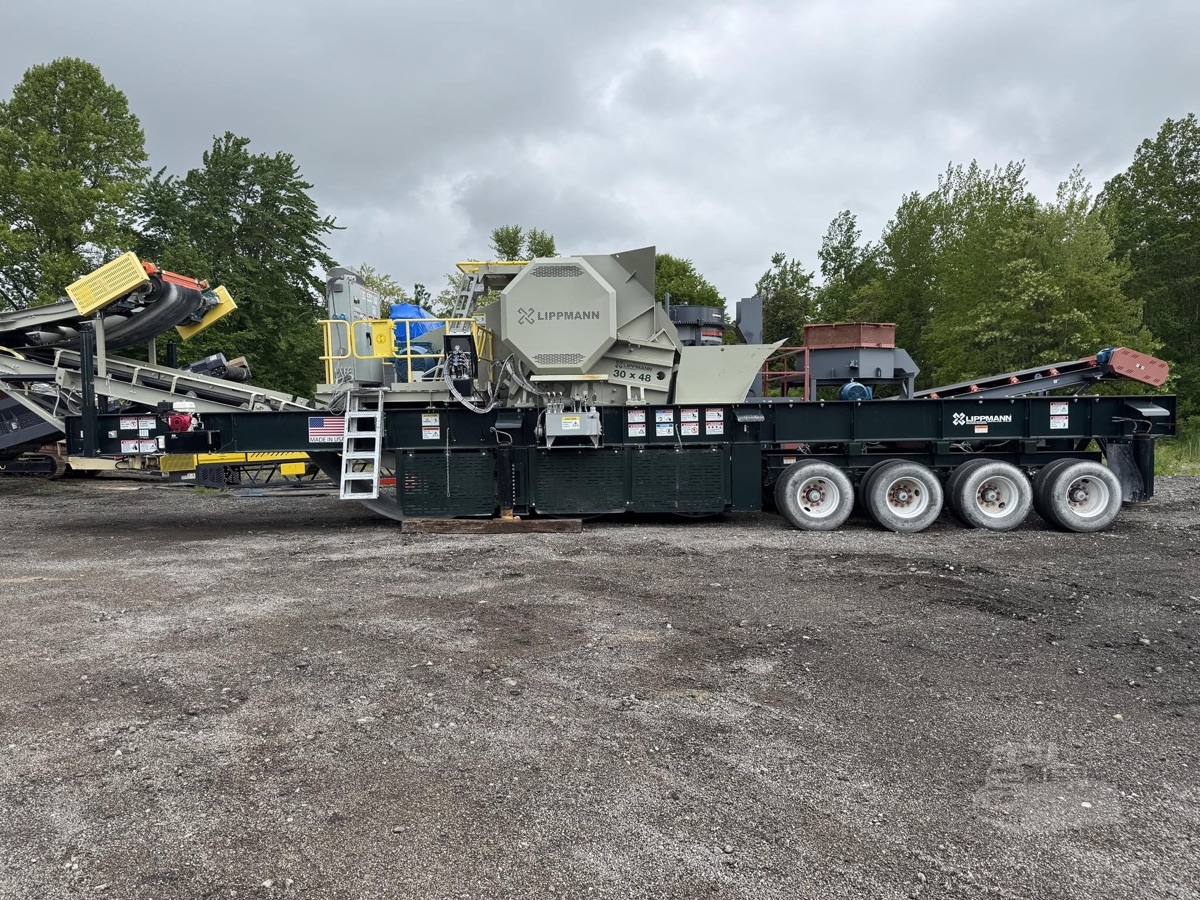
Engine Hours: The Odometer of Heavy Equipment
Engine hours are the first thing most buyers check — and for good reason. But hours don't tell the whole story. A crusher with 5,000 hours processing clean limestone is in far better shape than one with 3,000 hours processing rebar-contaminated concrete. Context matters.
Here's a practical guide to evaluating hours on different equipment types, based on what we see across hundreds of listings in our marketplace.
Hours by Equipment Type
Jaw Crushers
| Hour Range | What to Expect | Typical Price Impact |
|---|---|---|
| 0 – 1,500 | Like new. Original wear parts likely still installed. | 80-95% of new price |
| 1,500 – 4,000 | Jaw plates likely replaced once. Check toggle plate and cheek plates. Engine in good shape. | 55-75% of new price |
| 4,000 – 8,000 | Multiple jaw plate changes. Inspect bearings, flywheel, and hydraulic system. Undercarriage wear on tracked units. | 35-55% of new price |
| 8,000+ | Major components may need overhaul. Engine rebuild possible. Full inspection essential. | 15-35% of new price |
Screeners
| Hour Range | What to Expect | Typical Price Impact |
|---|---|---|
| 0 – 2,000 | Minimal wear. Screen media likely original. | 75-90% of new price |
| 2,000 – 5,000 | Screen media replaced. Check conveyor belts, bearings, and vibrating mechanism. | 50-70% of new price |
| 5,000 – 8,000 | Conveyor belts replaced. Bearings and bushings showing wear. Engine service due. | 30-50% of new price |
| 8,000+ | Most wear components replaced at least once. Structural inspection recommended. | 15-35% of new price |
Horizontal Grinders
Grinders are the hardest-working machines in the lineup. They eat through wear parts faster than any other equipment type.
| Hour Range | What to Expect | Typical Price Impact |
|---|---|---|
| 0 – 2,000 | Low hours for a grinder. Hammers/tips replaced 2-4 times. Machine in excellent shape. | 70-85% of new price |
| 2,000 – 5,000 | Mill bearing inspection needed. Screen cradle wear. Engine approaching first major service. | 45-65% of new price |
| 5,000+ | Engine overhaul likely needed or already done. Mill may need rebuild. Hydraulic system wear. | 20-45% of new price |
Excavators
| Hour Range | What to Expect | Typical Price Impact |
|---|---|---|
| 0 – 3,000 | Very low hours. Undercarriage in great shape. All systems original. | 75-90% of new price |
| 3,000 – 7,000 | Normal working machine. Check undercarriage wear, bucket pins, and hydraulic cylinders. | 50-70% of new price |
| 7,000 – 12,000 | Undercarriage likely needs attention. Swing bearing, turntable bolts, and final drives should be inspected. | 30-50% of new price |
| 12,000+ | High hours but not uncommon for excavators. Full mechanical inspection essential. | 15-35% of new price |
Hours Don't Tell the Whole Story
Five things that matter more than hours alone:
- Maintenance records — A machine with 6,000 hours and complete service records is worth more than one with 3,000 hours and no history.
- Application — What was the machine processing? Clean rock is easy. Contaminated C&D with rebar destroys components faster.
- Idle time percentage — Many newer machines track idle vs. working hours separately. High idle percentage means the engine hours overstate actual wear.
- Climate — Machines that operated in salt air (coastal) or extreme cold show different wear patterns than those in temperate inland areas.
- Undercarriage condition — On tracked machines, the undercarriage is often the most expensive component to replace ($30,000-$80,000). Low hours mean nothing if the tracks and rollers are worn out.
The Bottom Line
Don't reject a machine purely on hours. A well-maintained 5,000-hour crusher from a reputable dealer is often a better buy than a 2,000-hour machine with unknown history. Always get a full inspection before buying — or buy from dealers who stand behind their equipment.
Browse our full inventory — every listing includes verified hours and detailed photos so you can evaluate condition before you call.