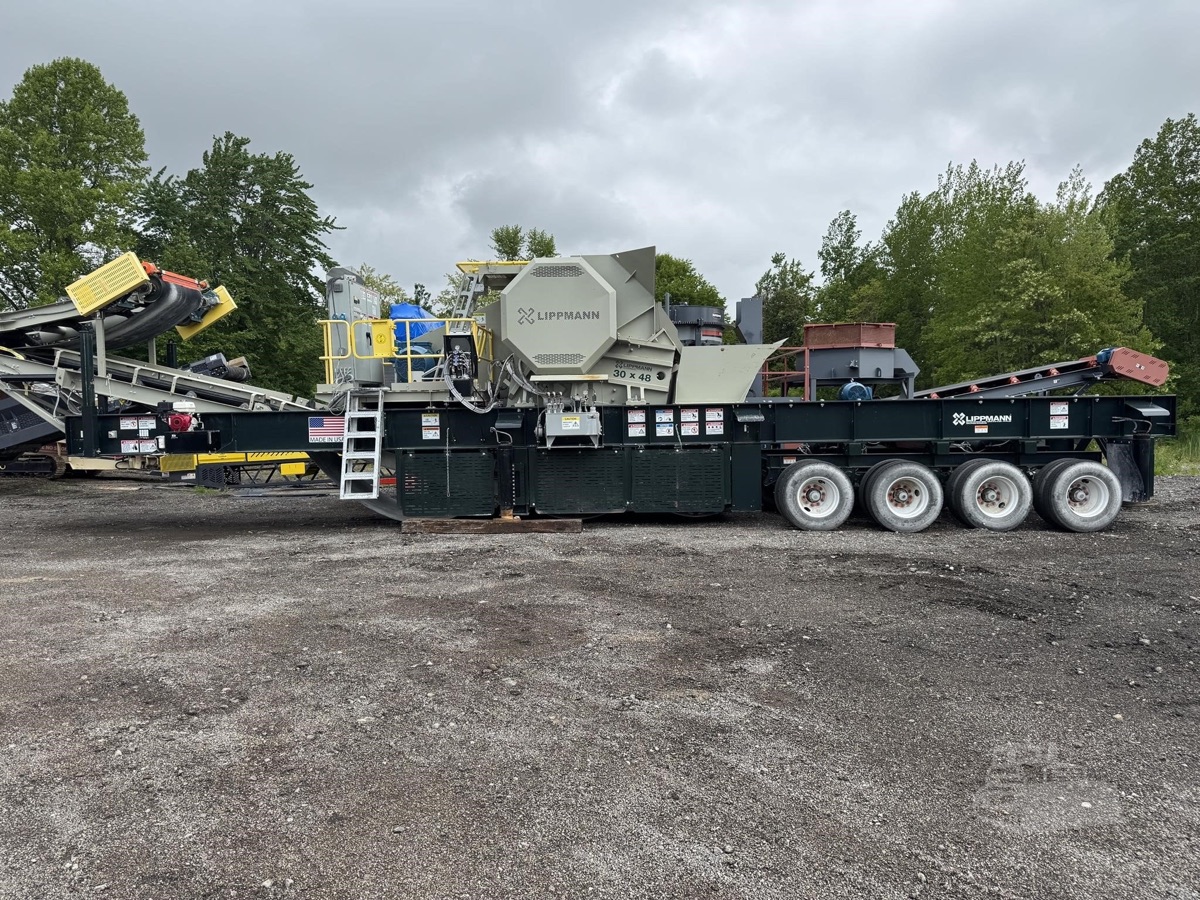
The Contract Crushing Opportunity
Mobile crushing is one of the highest-margin businesses in the heavy equipment industry. A well-run crushing operation can generate $300-$500+ per hour in revenue, and the demand for processed aggregate — crushed stone, recycled concrete, graded fill — continues to grow as infrastructure spending increases.
But the startup costs are significant and the regulatory requirements vary by state. Here's a realistic look at what it takes.
Essential Equipment for a Startup Crushing Operation
Minimum Viable Setup
| Equipment | New Price | Used Price | Purpose |
|---|---|---|---|
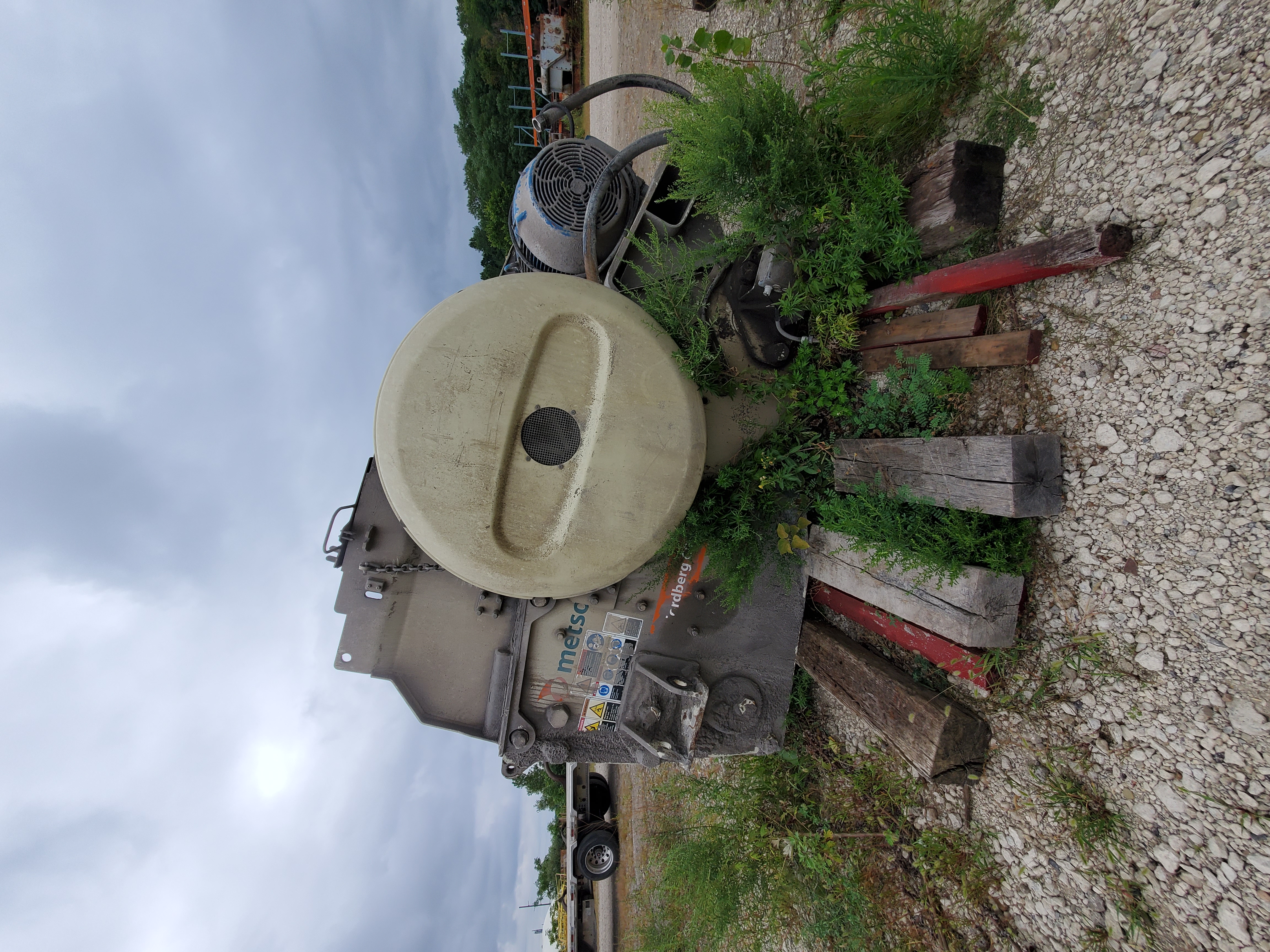
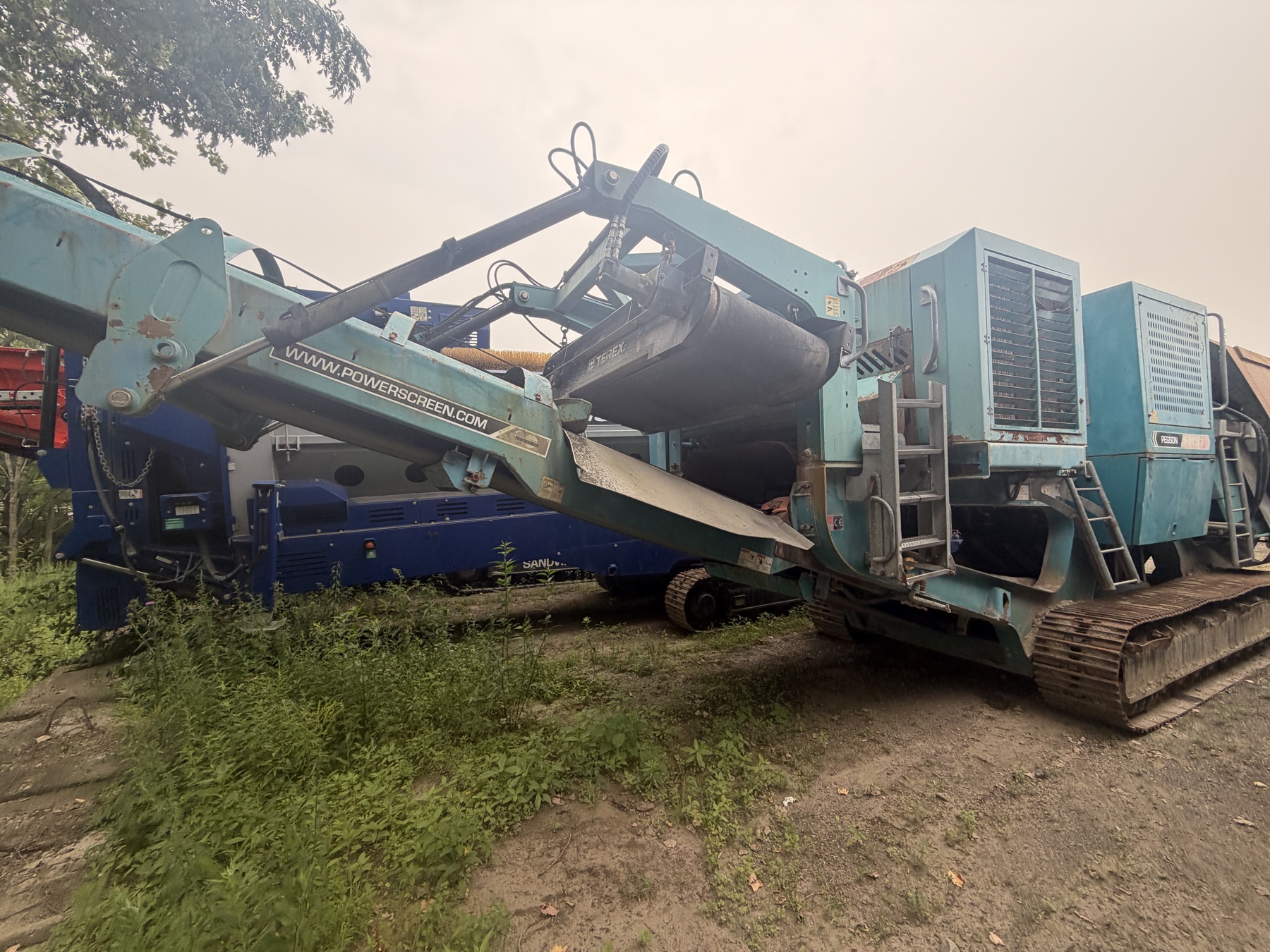
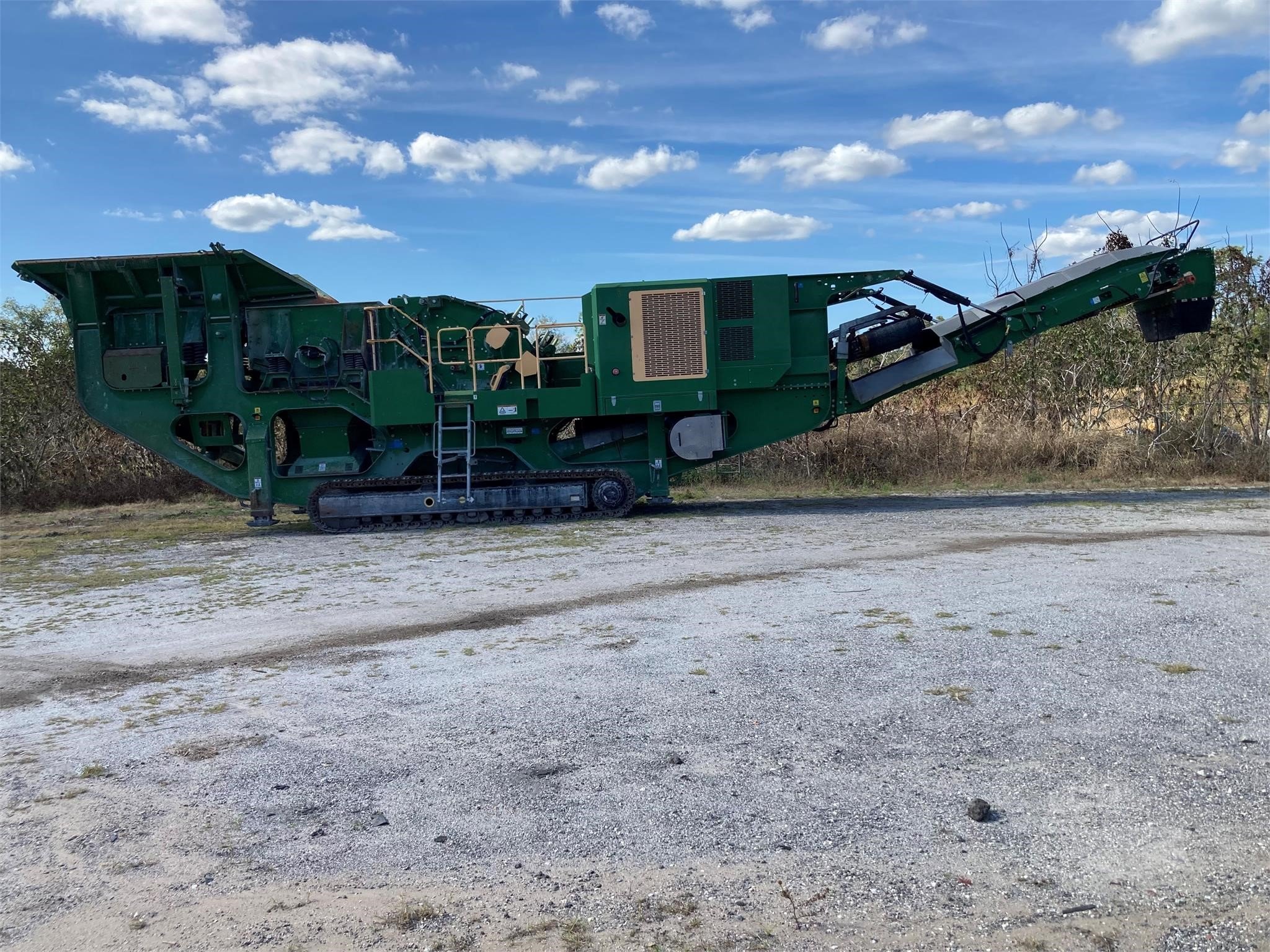
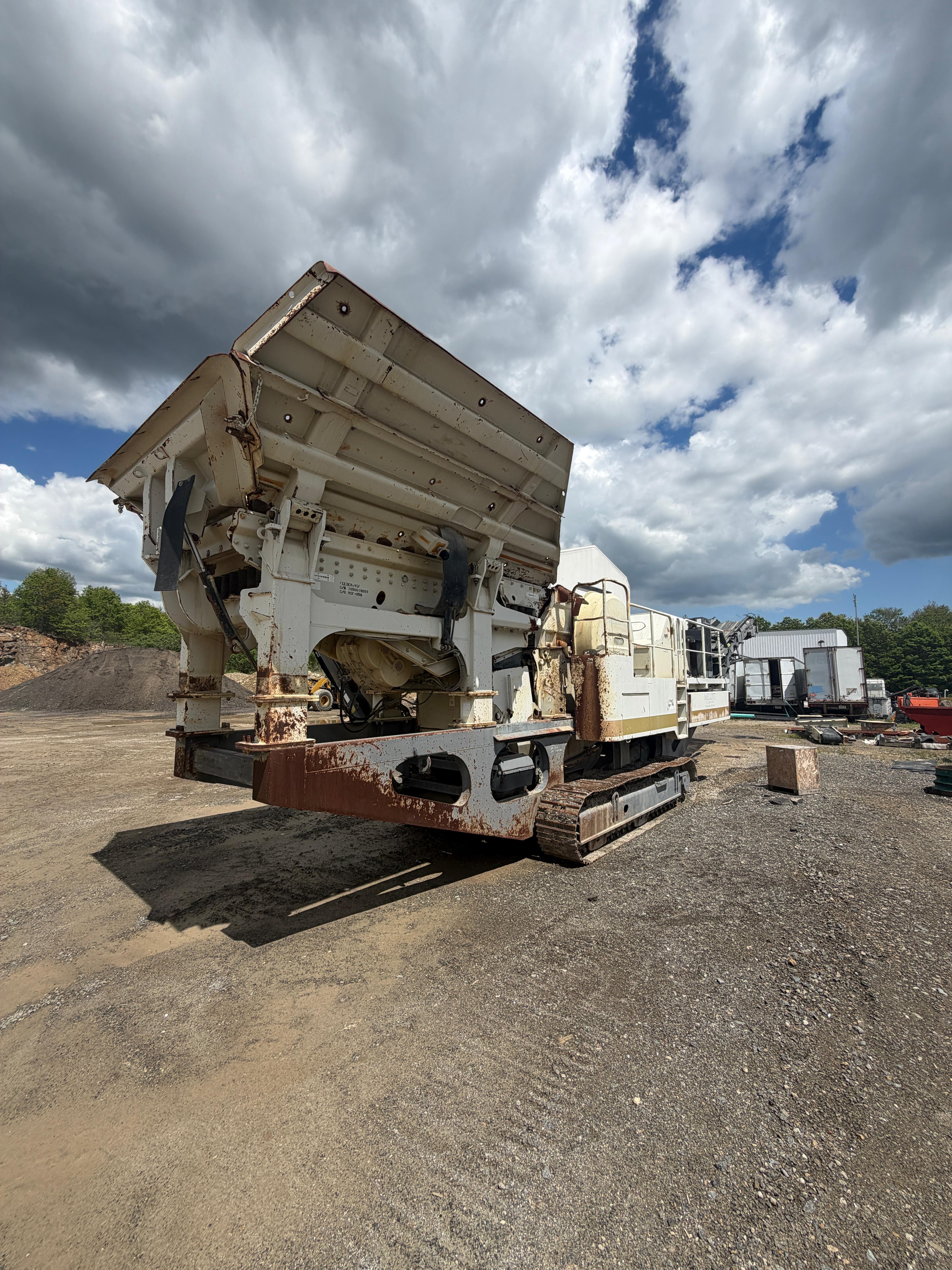
| Mobile Jaw Crusher | $400,000 – $700,000 | $150,000 – $400,000 | Primary size reduction |
| Mobile Screener | $250,000 – $500,000 | $75,000 – $250,000 | Product classification |
| Wheel Loader (3-4 yd) | $200,000 – $350,000 | $50,000 – $150,000 | Feed and stockpile management |
| Excavator (25-35 ton) | $250,000 – $500,000 | $75,000 – $200,000 | Loading feed, breaking oversize |
Minimum startup (used equipment): $350,000 – $1,000,000
Premium startup (new equipment): $1,100,000 – $2,050,000
Growth Equipment (Add as Revenue Grows)
- Cone or impact crusher: $250,000 – $600,000 — adds secondary crushing for higher-value products
- Stacking conveyor: $50,000 – $200,000 — increases stockpile capacity and reduces loader work
- Magnetic separator: $15,000 – $40,000 — required for recycled concrete processing
- Water truck/dust suppression: $30,000 – $80,000 — needed for permit compliance
Permits and Regulations
Permitting is the most commonly underestimated aspect of starting a crushing business. Requirements vary significantly by state and municipality.
Common Requirements
- Air quality permit — Almost universally required. Crushing operations generate particulate matter (PM10 and PM2.5). Most states require a minor source air permit at minimum. Processing more than a few hundred tons per day may trigger major source requirements.
- Stormwater permit (NPDES) — Required if your operation disturbs more than one acre or produces discharge water.
- Noise ordinance compliance — Crushers generate 85-100+ dB. Most municipalities have noise limits at property boundaries.
- Zoning approval — Crushing is an industrial use. You'll need appropriately zoned land or special use permits.
- Mining/extraction permit — If you're processing virgin rock (quarrying), additional permits apply.
- MSHA compliance — The Mine Safety and Health Administration regulates crushing operations. You'll need an MSHA ID number, training certifications for all workers, and regular inspections.
Pricing Your Services
Contract crushing rates vary by region and material type:
| Service | Typical Rate | Notes |
|---|---|---|
| Crushing only (client provides material) | $4 – $8 per ton | Higher for harder material |
| Crush and screen | $6 – $12 per ton | Most common arrangement |
| Full service (crush, screen, stockpile) | $8 – $15 per ton | Includes loader and operator |
| Recycled concrete processing | $6 – $10 per ton | Plus tipping fees charged to dumpers |
| Hourly rate (crusher + screener) | $350 – $600 per hour | Used for smaller jobs |
Revenue Potential
A typical jaw crusher processes 150-300 tons per hour depending on material and product size. At $6-$8 per ton for crush-and-screen service:
- Per hour: $900 – $2,400
- Per 8-hour day: $7,200 – $19,200
- Per month (20 working days): $144,000 – $384,000
After fuel ($1,000-$2,000/day), labor ($500-$1,500/day), and equipment payments, a well-utilized crushing operation can net $50,000-$150,000+ per month.
Getting Your First Clients
The most reliable sources of crushing work:
- Demolition contractors — They generate concrete and asphalt that needs processing. Many will pay you to crush on-site rather than haul to a landfill.
- Road and bridge contractors — Need processed aggregate for base material, backfill, and drainage stone.
- Municipalities — Cities and towns stockpile concrete and asphalt from road repairs. Contract crushing saves them landfill and material costs.
- Quarries — Some quarries hire contract crushers to process stockpiled material during peak demand.
- Land developers — Site work generates rock that can be crushed on-site for use as fill and base.
Find Your Equipment
We help equipment buyers find the right crusher, screener, and support equipment for their operation. Browse our inventory of crushers, screeners, and conveyors from trusted East Coast dealers.