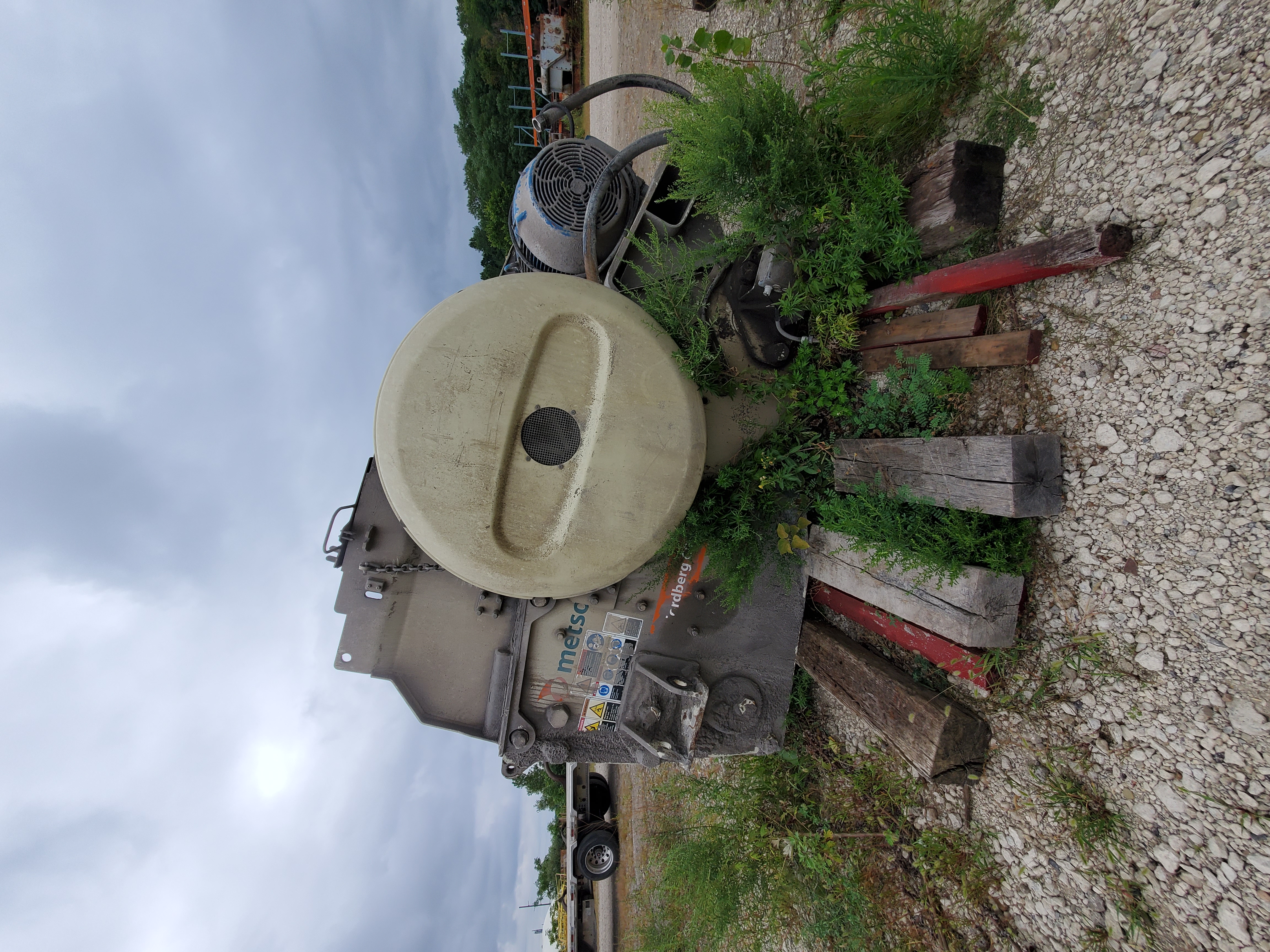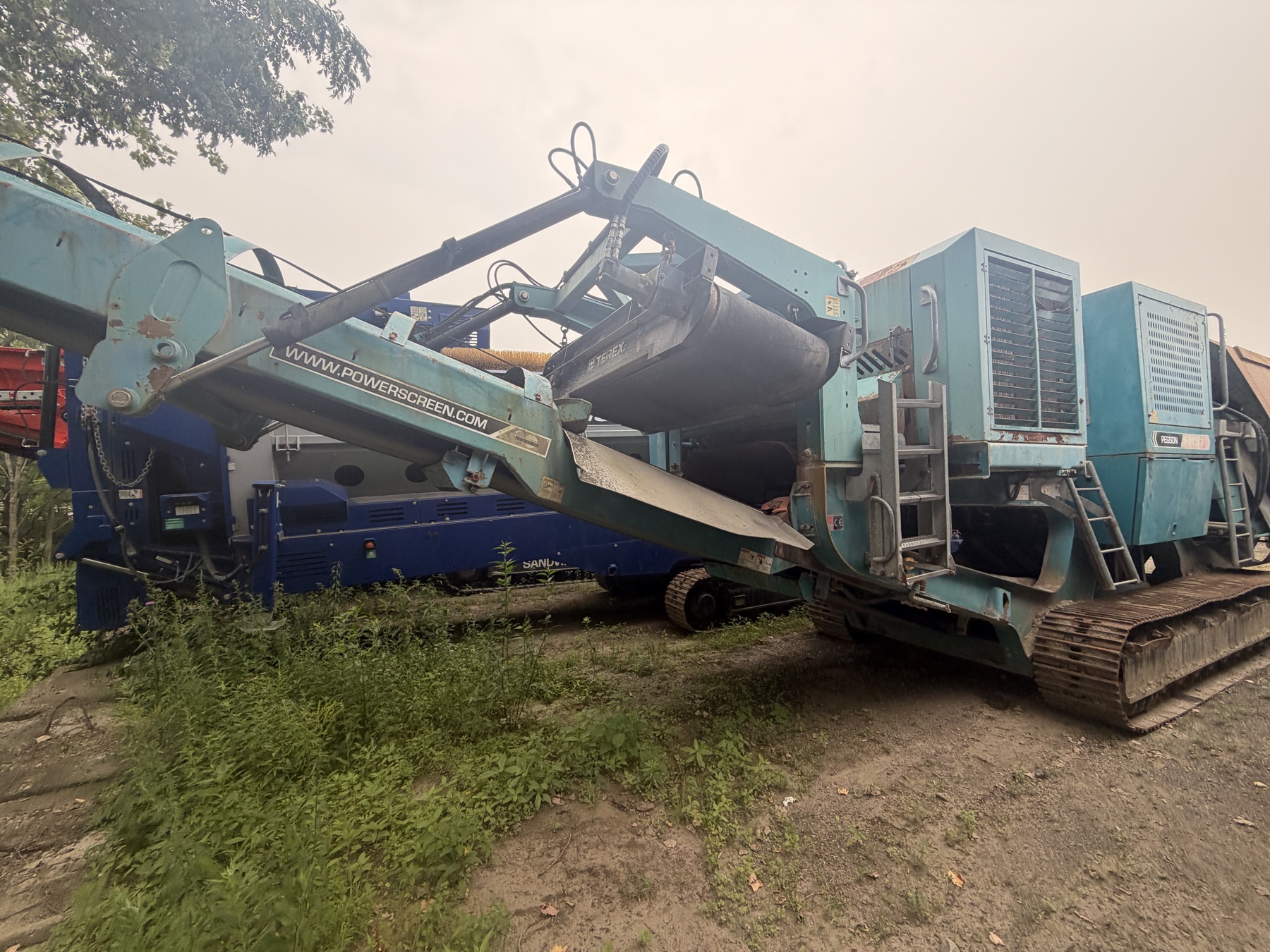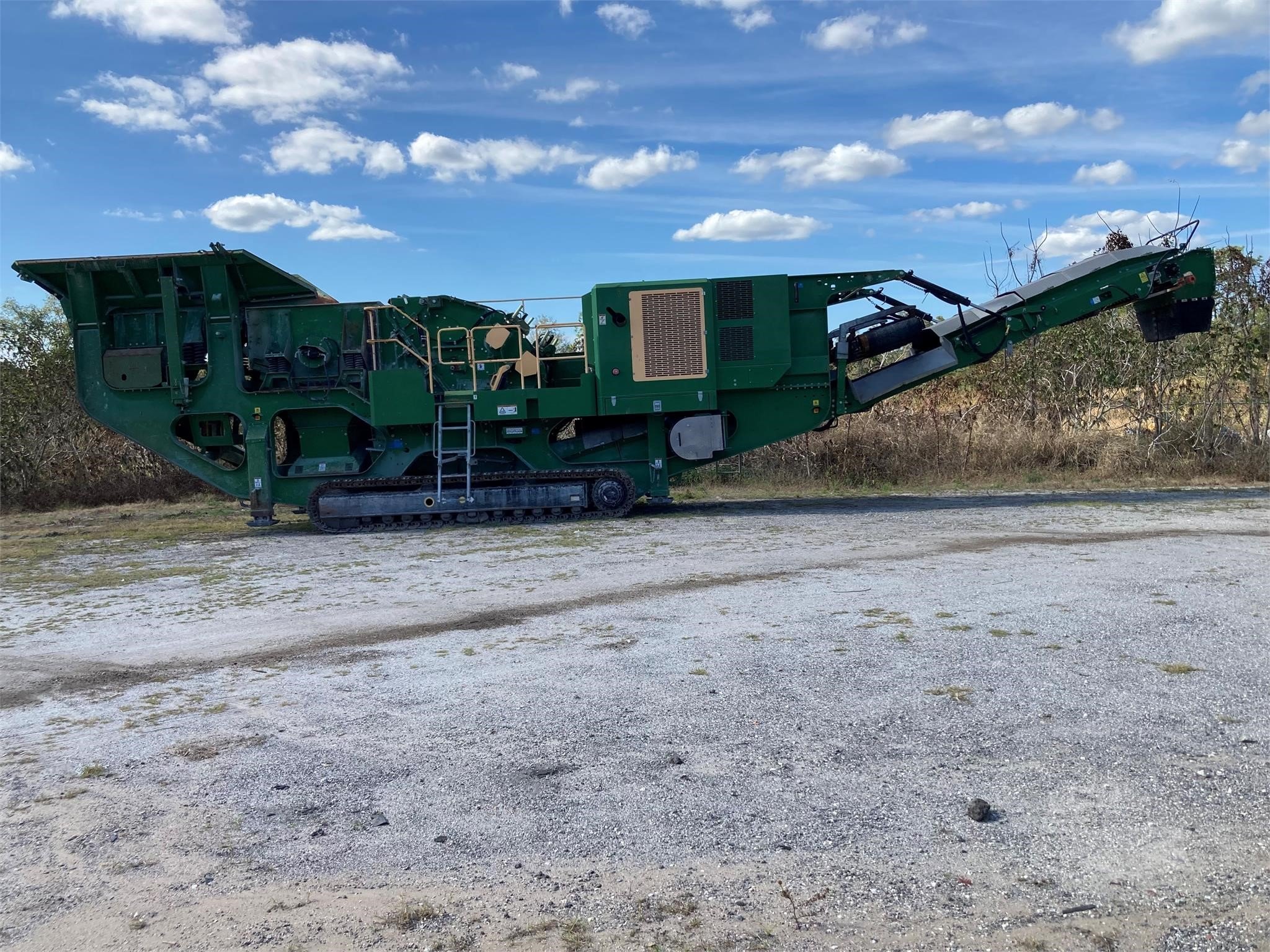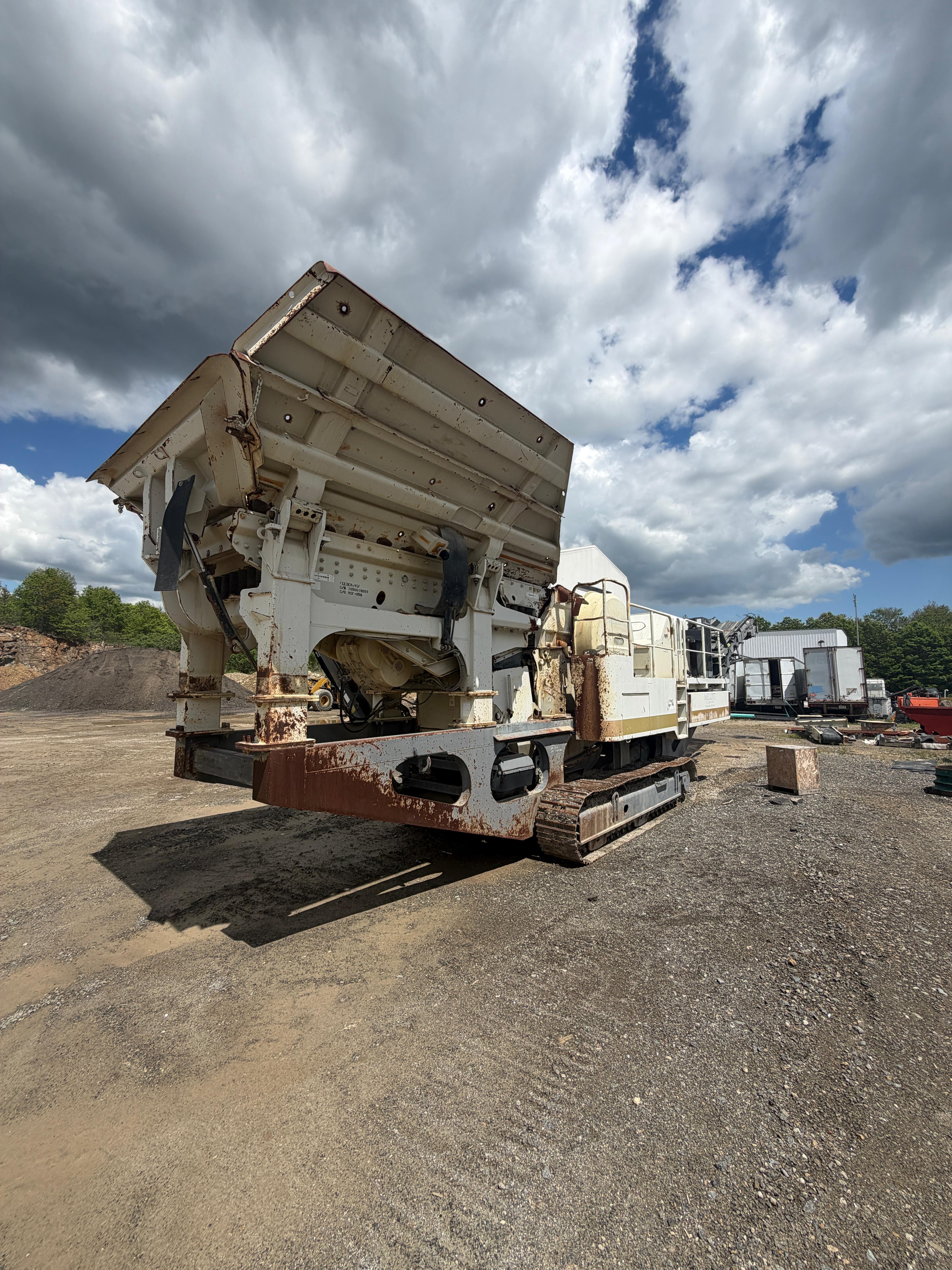
Two of the Biggest Names in Mobile Processing
McCloskey International and Terex Finlay are two of the most common brands in the mobile crushing and screening market. Both are widely available on the East Coast, both have strong dealer networks, and both build quality machines. But they're not identical — and the differences matter depending on your application.
Company Background
McCloskey International
Founded in 1985 by Paschal McCloskey in Peterborough, Ontario, Canada. McCloskey remains a private, family-owned company focused exclusively on mobile crushing, screening, and stacking equipment. Their Peterborough factory is one of the largest mobile equipment manufacturing facilities in North America.
Terex Finlay
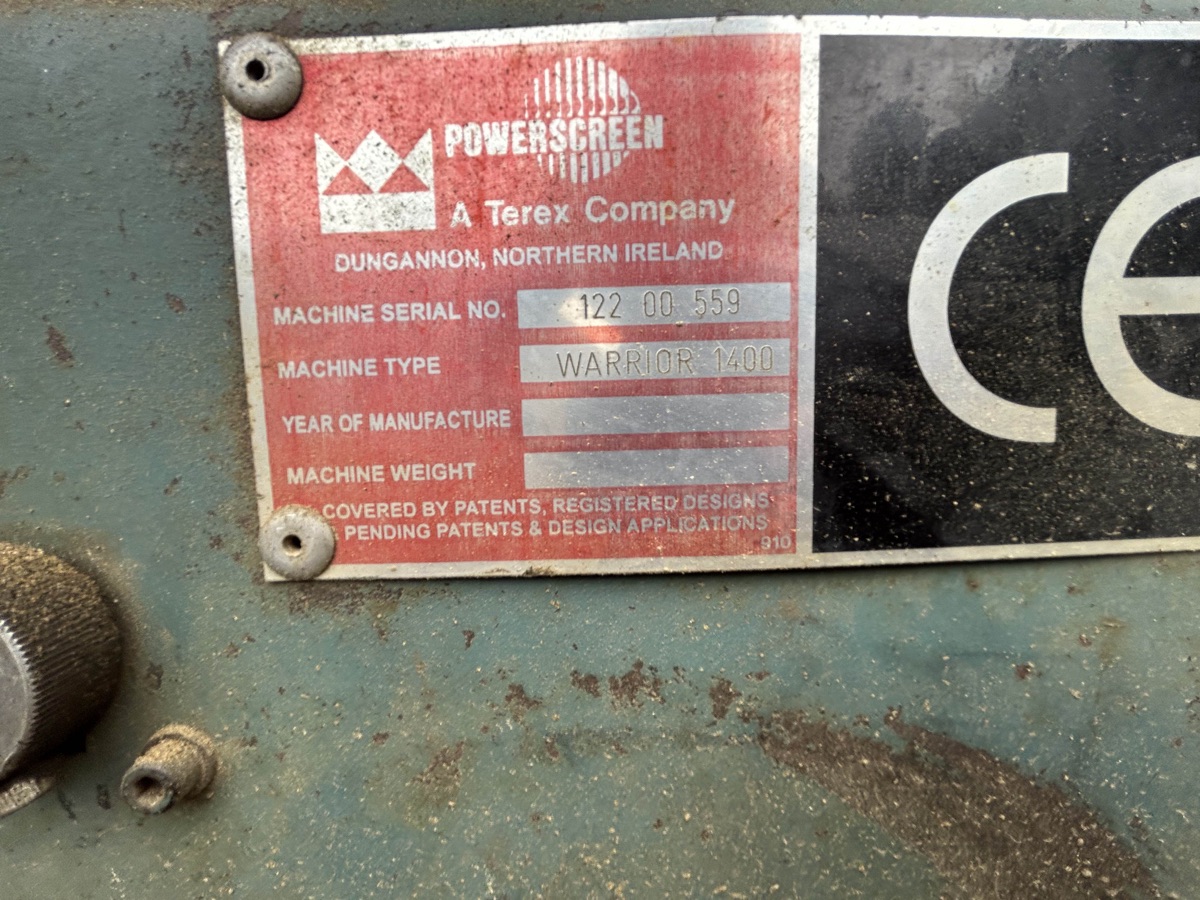
Part of the Terex Corporation group, Finlay is manufactured in Omagh, Northern Ireland. The Finlay brand has been in the crushing and screening business since the 1950s. As part of Terex, Finlay shares components and technology with Powerscreen, another Terex brand.
Jaw Crusher Comparison
| Feature | McCloskey J50 | Finlay J-1175 |
|---|---|---|
| Jaw opening | 50" x 26" | 47" x 29" |
| Engine | Volvo TAD873VE (330 HP) | CAT C9.3B (330 HP) |
| Weight | ~115,000 lbs | ~108,000 lbs |
| New price | $550,000 – $650,000 | $500,000 – $600,000 |
| Used price (1,000-3,000 hrs) | $350,000 – $500,000 | $300,000 – $450,000 |
Verdict: Very similar machines. McCloskey's slightly wider jaw opening gives an edge on feed size. Finlay's CAT engine may be preferred by operators who standardize on Caterpillar for service and parts. McCloskey typically commands a small price premium on the secondary market due to brand perception.
Screener Comparison
| Feature | McCloskey S190 | Finlay 883+ |
|---|---|---|
| Screen area (per deck) | 19' x 5' | 16' x 5' |
| Decks | 3 | 3 |
| Screen box type | Oval stroke | Linear stroke |
| New price | $400,000 – $500,000 | $350,000 – $425,000 |
| Used price (1,000-3,000 hrs) | $250,000 – $375,000 | $200,000 – $325,000 |
Verdict: McCloskey's larger screening area means higher throughput on a per-machine basis. Finlay's linear stroke screenbox is preferred by some operators for wet or sticky material. For high-volume aggregate, McCloskey's S190 has the edge. For versatility with difficult material, the Finlay 883+ is a strong choice.
Impact Crusher Comparison
| Feature | McCloskey I54 | Finlay I-140 |
|---|---|---|
| Rotor diameter | 51" x 54" | 51" x 43" |
| Engine | Scania DC13 (450 HP) | CAT C13 (430 HP) |
| New price | $600,000 – $750,000 | $550,000 – $700,000 |
| Used price (1,000-3,000 hrs) | $400,000 – $575,000 | $350,000 – $525,000 |
Verdict: McCloskey's wider rotor gives it higher throughput for primary impacting. Finlay's CAT engine standardization appeals to mixed fleets. Both are excellent machines — the McCloskey I54 is slightly more productive, the Finlay I-140 is slightly more affordable.
Dealer Network and Service
Both brands have strong dealer coverage on the East Coast:
- McCloskey — Sold through independent dealers like Rock & Recycling Equipment (New England), Commonwealth Equipment (ME to GA), and Columbus Equipment (OH). Typically one or two dedicated dealers per region.
- Finlay — Sold through the Terex dealer network, which often includes Powerscreen dealers. This gives Finlay broader dealer coverage in some areas, but dealers may carry multiple Terex brands and not specialize in Finlay exclusively.
Resale Value
McCloskey equipment generally holds its value slightly better than Finlay on the secondary market. Our marketplace data shows McCloskey units retaining roughly 5-10% more value at equivalent hours. This is partly brand perception and partly driven by McCloskey's independent ownership (the brand isn't diluted by corporate parent changes).
The Bottom Line
You won't go wrong with either brand. McCloskey is the choice for operators who want maximum throughput and don't mind the price premium. Finlay offers strong performance at a more accessible price point with the backing of the Terex parts and service network.
Browse our inventory of crushers and screeners from both brands.