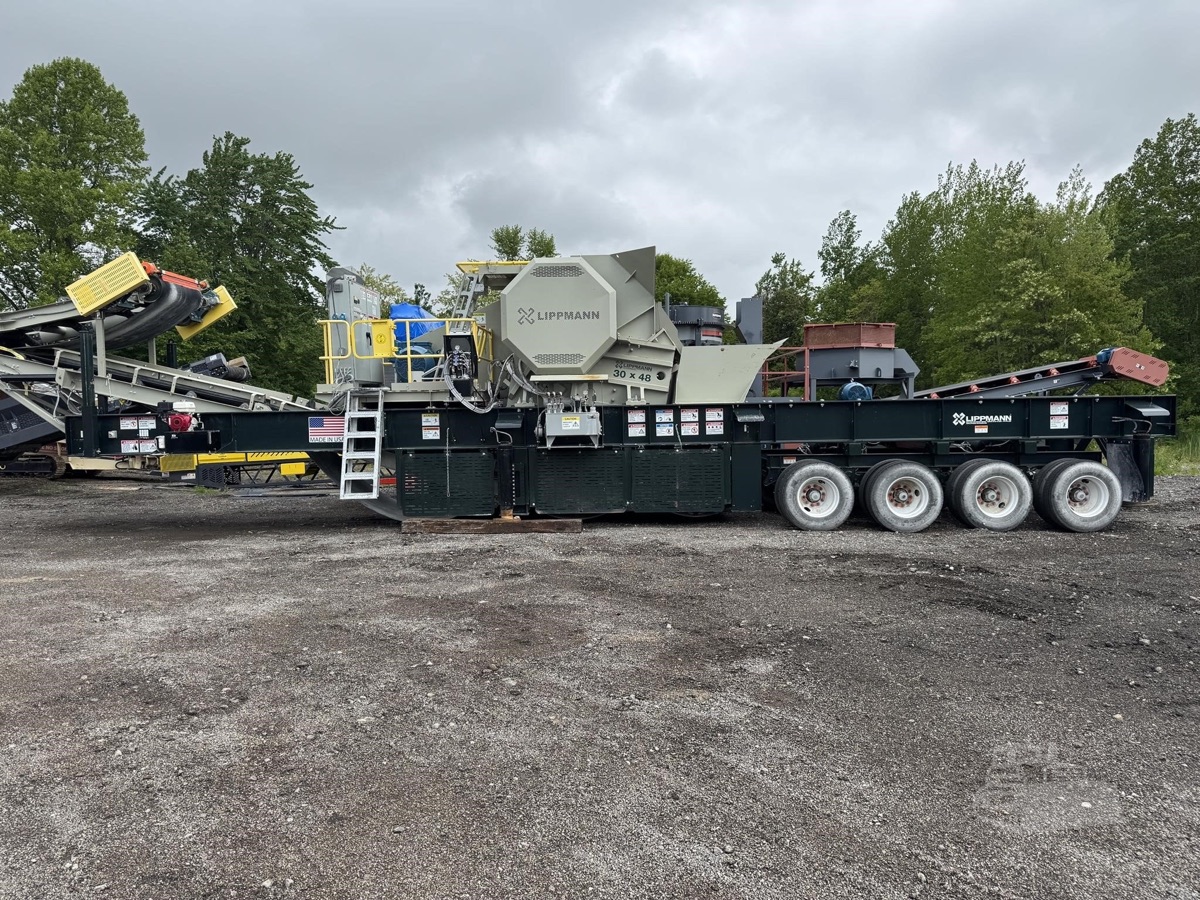
Planning Your Crushing Plant Layout
A well-designed plant layout maximizes production, minimizes material handling, and keeps your operation safe and compliant. Poor layout creates bottlenecks, excessive loader work, and safety hazards.
Basic Plant Configurations
Configuration 1: Jaw + Screener (2-machine spread)
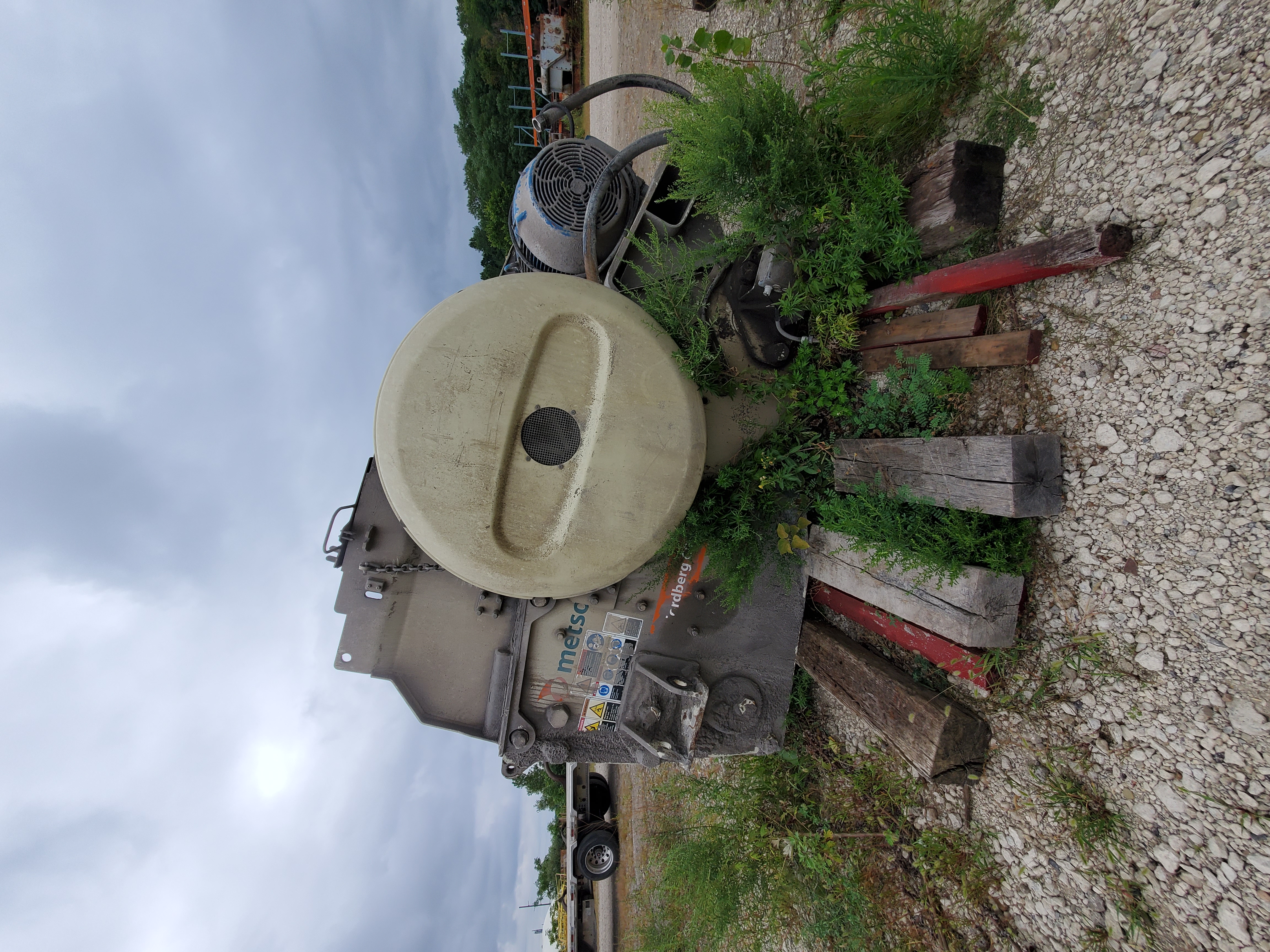
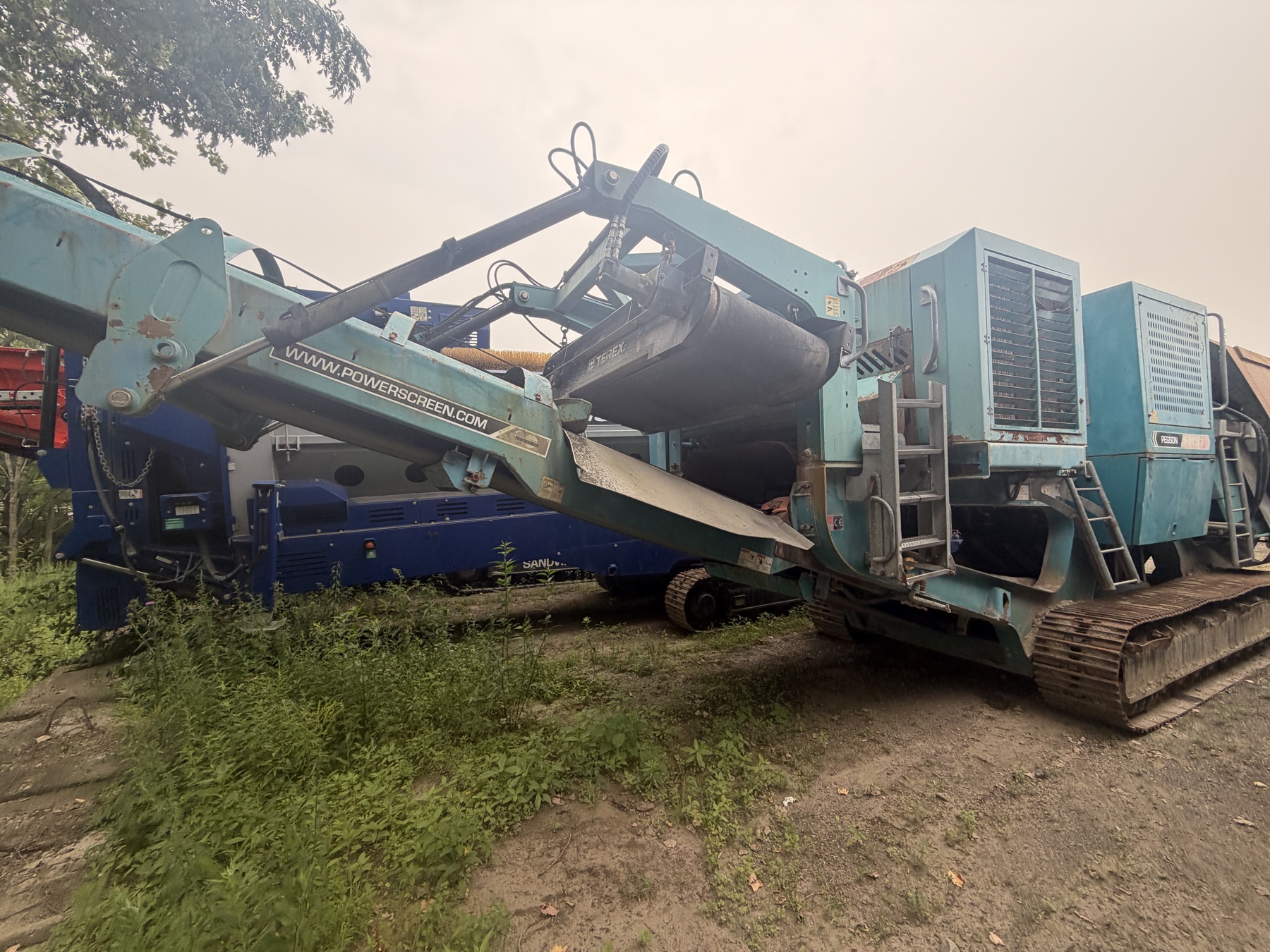
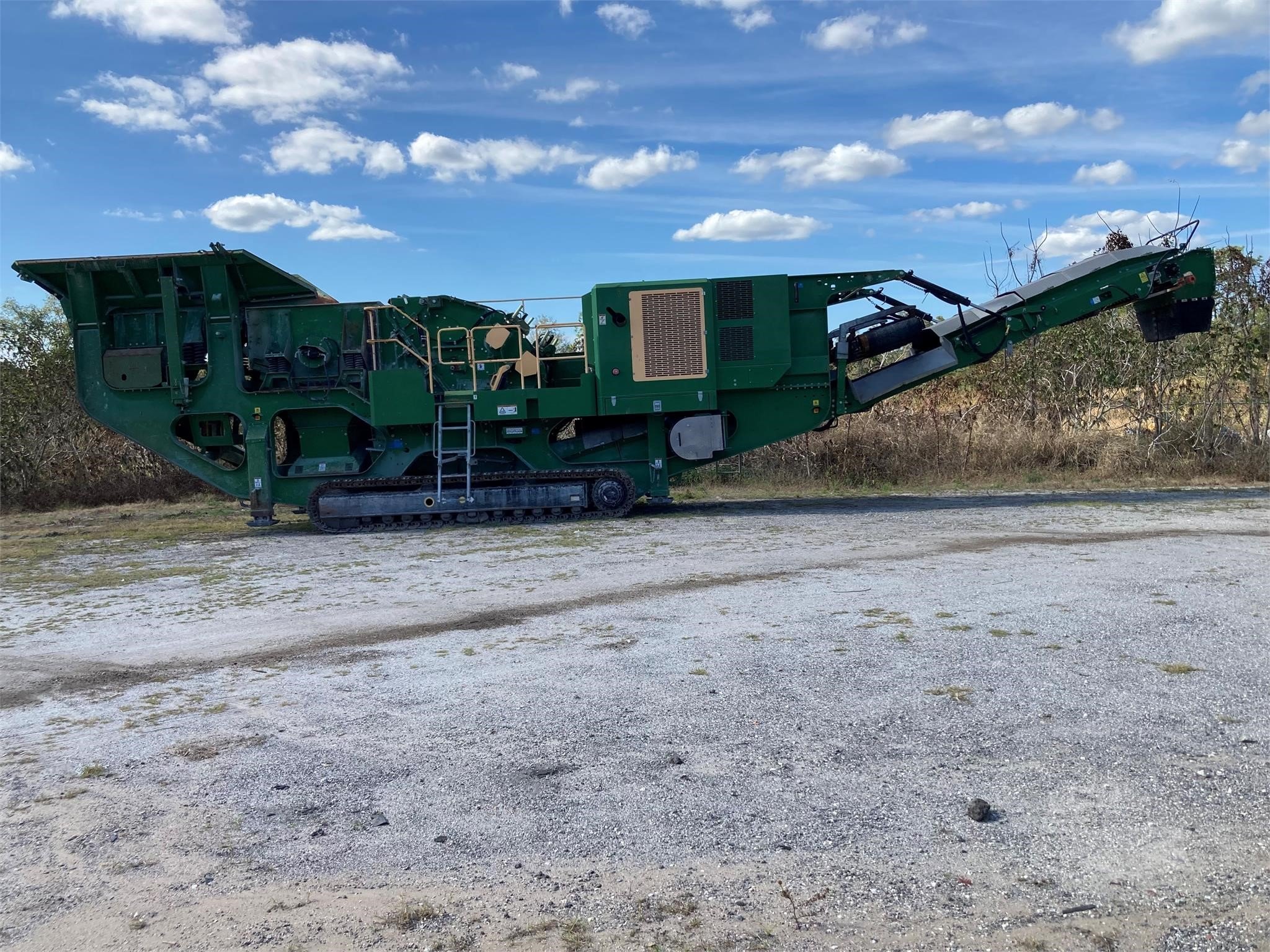
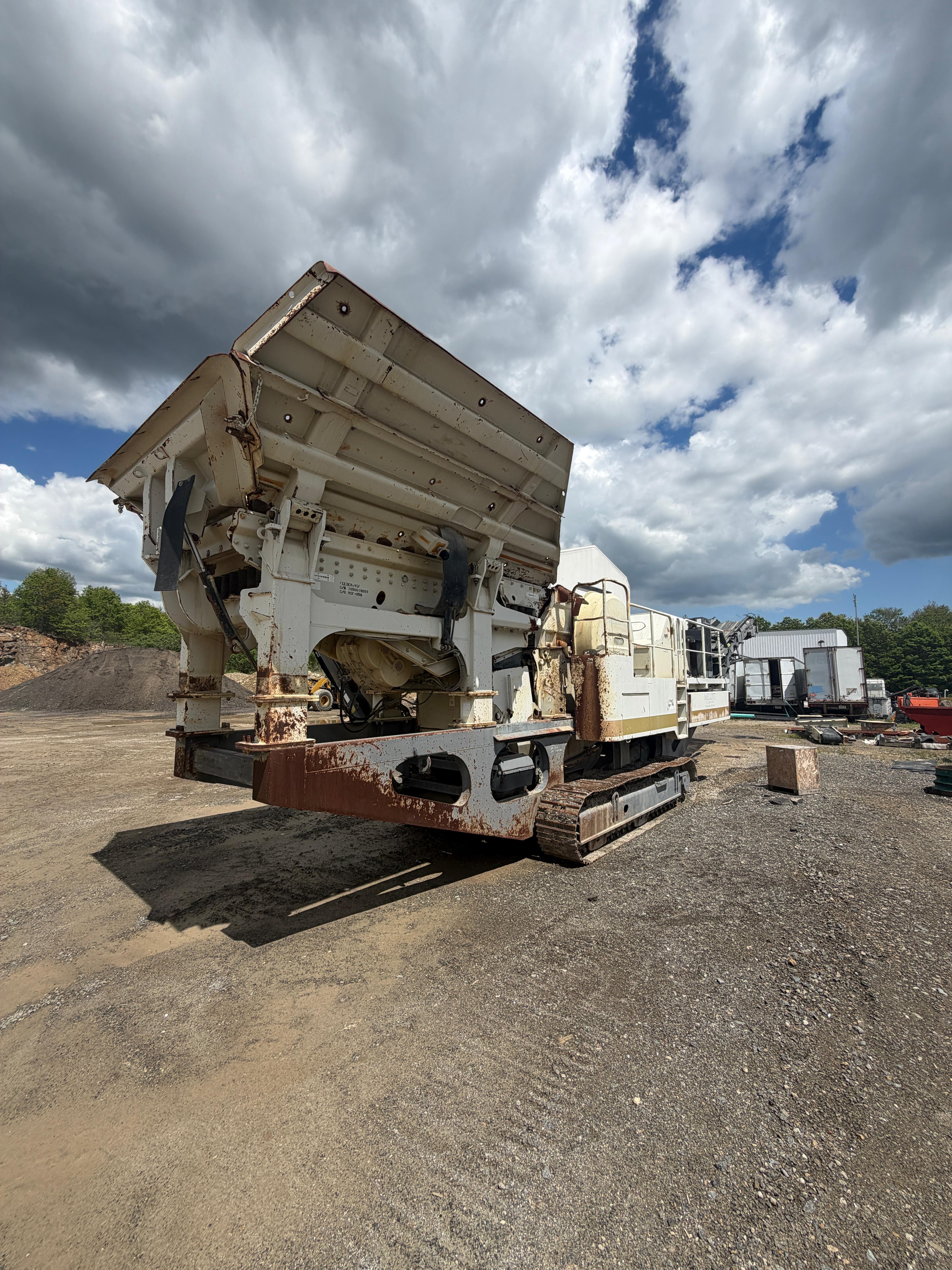
The simplest setup. A jaw crusher feeds directly onto a screener via the crusher's discharge conveyor.
- Footprint: 100' x 150' minimum
- Production: 150 – 350 TPH
- Products: 2-3 (oversize return, 1-2 finished products)
- Feed method: Excavator or loader feeding the crusher hopper
Configuration 2: Jaw + Cone + Screener (3-machine spread)
Primary jaw feeds a secondary cone through a screener. The screener classifies product and returns oversize to the cone.
- Footprint: 150' x 200' minimum
- Production: 200 – 500 TPH
- Products: 3-4 finished sizes
- Conveyor requirements: Transfer conveyor between jaw and screener, return conveyor from screener to cone
Configuration 3: Full Spread (5+ machines)
Primary jaw, secondary cone, screening plant, stacking conveyors, and support equipment. Designed for continuous quarry or large contract operations.
- Footprint: 200' x 300'+ minimum
- Production: 300 – 800+ TPH
- Products: 4-6 finished sizes plus fines
Site Layout Best Practices
- Grade the site 2-3% for drainage — Standing water causes ground failure under heavy equipment and creates NPDES permit issues
- Maintain 50+ feet between stockpiles and equipment — Provides loader maneuvering room and emergency access
- Position the crusher upwind of the screener — Dust from the crusher blows away from the screening operation, not into it
- Keep feed stockpile within one loader pass — Every extra 50 feet of loader travel costs $5-$10/hour in fuel and cycle time
- Plan haul routes before setup — Trucks should enter and exit without crossing the active plant area
- Level equipment pads carefully — Crushers and screeners must be level. A 2-degree lean causes uneven wear and reduced performance.
Power and Fuel Requirements
| Equipment | Typical HP | Fuel Consumption | Daily Fuel Cost (est.) |
|---|---|---|---|
| Jaw Crusher | 250 – 400 HP | 15 – 25 gal/hr | $500 – $900 |
| Cone Crusher | 300 – 500 HP | 18 – 30 gal/hr | $650 – $1,100 |
| Screener | 100 – 175 HP | 6 – 12 gal/hr | $200 – $450 |
| Conveyor/Stacker | 50 – 100 HP | 3 – 8 gal/hr | $100 – $300 |
| Wheel Loader | 200 – 300 HP | 8 – 15 gal/hr | $300 – $550 |
Total daily fuel cost for a 3-machine spread: $1,500 – $2,500 at current diesel prices.
Dust Control
Dust control is a permit requirement and a health necessity. Options include:
- Water spray bars — Mounted at crusher feed, transfer points, and discharge. Most common and cost-effective. Budget 500-2,000 gallons/hour.
- Foam suppression — Uses 90% less water than spray bars. Better for water-scarce sites.
- Enclosed conveyors and chutes — Controls dust at transfer points. Higher upfront cost but eliminates the need for water at those points.
- Wind screens — Fabric barriers around stockpiles and equipment. Required at many permitted sites.
MSHA Safety Requirements
Mobile crushing operations fall under MSHA (Mine Safety and Health Administration) jurisdiction. Key requirements:
- MSHA ID number — Required before operating. Register at MSHA.gov.
- Part 46 training — All workers need initial safety training (24 hours) and annual refresher (8 hours)
- Guarding — All moving parts (conveyors, drives, pulleys) must be guarded per MSHA standards
- Lockout/tagout procedures — Written LOTO procedures required for all equipment
- Berm requirements — Berms at least mid-axle height on all elevated roads and stockpile ramps
- Fire suppression — Portable extinguishers required on all mobile equipment
Need help building your crushing plant? Browse our inventory of crushers, screeners, conveyors, and support equipment, or contact us for expert guidance.