What Does a Mobile Jaw Crusher Actually Cost?
If you're shopping for a mobile jaw crusher in 2026, the price range is wider than most buyers expect. Based on our current inventory of over 100 crushers from dealers across the East Coast, here's what the market actually looks like:
| Condition | Price Range | Typical Hours |
|---|---|---|
| New / Low Hours (<500 hrs) | $450,000 – $1,050,000 | 0 – 500 |
| Mid-Life (500 – 3,000 hrs) | $200,000 – $500,000 | 500 – 3,000 |
| High Hours (3,000+ hrs) | $50,000 – $250,000 | 3,000 – 10,000+ |
| Older / Project-Ready | $11,800 – $75,000 | Varies |
Pricing by Brand
Not all jaw crushers are priced equally. Brand reputation, parts availability, and resale value all play a role. Here's what we see across the most common brands in our marketplace:
McCloskey
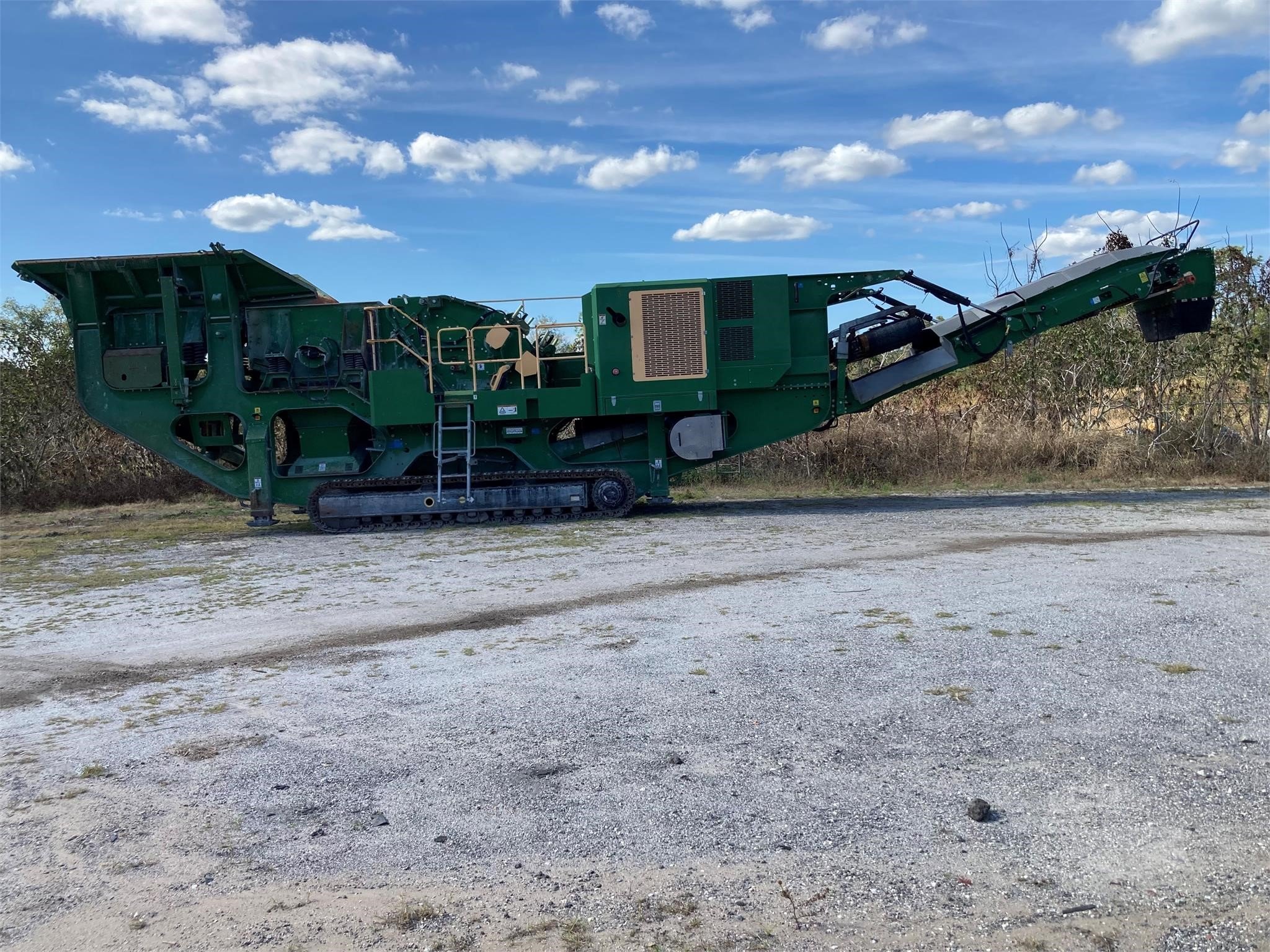
McCloskey jaw crushers (J35, J40, J45, J50) are among the most popular on the East Coast. New units start around $400,000 for the J35 and can exceed $650,000 for a fully loaded J50. Used McCloskey crushers with 1,000-3,000 hours typically trade between $250,000 and $450,000.
Eagle Crusher
Eagle Crusher builds its jaw crushers in Galion, Ohio. Their UltraMax series is known for durability in recycling applications. New Eagle Crushers range from $350,000 to $600,000 depending on configuration. The 42x40 and 1200 models are the most common.
Lippmann
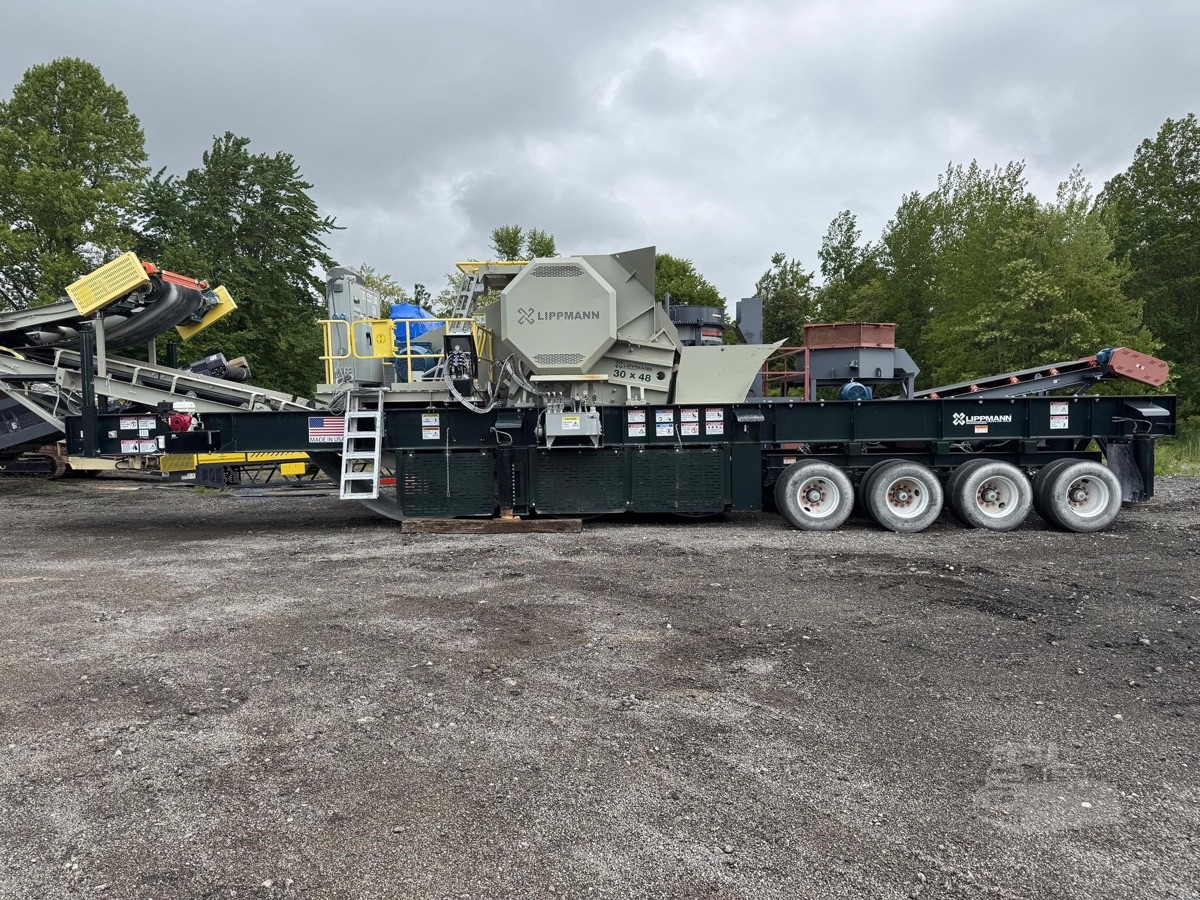
Lippmann jaw crushers are heavy-duty machines built for quarry production. The 3048J and 4244I are popular models. Pricing for new Lippmann crushers starts around $350,000 and can reach $700,000+ for larger portable plants.
IROCK
IROCK Crushers, based in Independence, Kansas, offers competitive pricing. Their TJ2440 and TJ3450 jaw crushers are well-suited for contract crushing. New IROCK units typically range from $300,000 to $500,000.
Rubble Master
Rubble Master (RM) compact crushers are popular for urban demolition and recycling. Their compact footprint commands a premium — expect $250,000 to $500,000 for models like the RM100GO! and RM120GO!.
What Drives the Price?
The biggest factors that determine a jaw crusher's price:
- Jaw opening size — A 30x42 jaw will cost significantly less than a 44x52. Larger openings mean higher throughput and higher prices.
- Engine hours — This is the single biggest factor on used units. Under 2,000 hours is considered low for a crusher.
- Tracked vs. wheeled — Tracked (self-propelled) jaw crushers cost 15-25% more than wheeled/portable units, but save on transport costs.
- Engine tier — Tier 4 Final engines (2015+) add $30,000-$50,000 to the price but are required for many job sites.
- Aftermarket additions — Magnetic separators, side conveyors, and dust suppression systems add $10,000-$30,000 each.
New vs. Used: What Makes Sense?
A new jaw crusher depreciates roughly 15-20% in the first year. A well-maintained unit with 2,000-3,000 hours often represents the best value — you're getting 70-80% of the machine's life at 50-60% of the new price.
For contract crushers who move between job sites, buying used with 1,500-2,500 hours and budgeting for undercarriage and wear parts is often the smartest play. Quarry operators running 2,000+ hours per year may want to buy new for the warranty coverage.
Operating Costs to Factor In
Beyond the purchase price, plan for these ongoing costs:
- Fuel: 15-30 gallons per hour depending on size ($75-$150/hr at current diesel prices)
- Jaw plates: $8,000-$25,000 per set, replaced every 500-1,500 hours depending on material
- Toggle plates and cheek plates: $2,000-$8,000 per set
- Transport: $3,000-$8,000 per move for a tracked unit on a lowboy
Browse Available Crushers
We maintain an inventory of over 100 crushers from trusted dealers across the East Coast. Every unit includes full photo galleries, verified specs, and transparent pricing. View all crushers for sale or contact our team to discuss what you need.