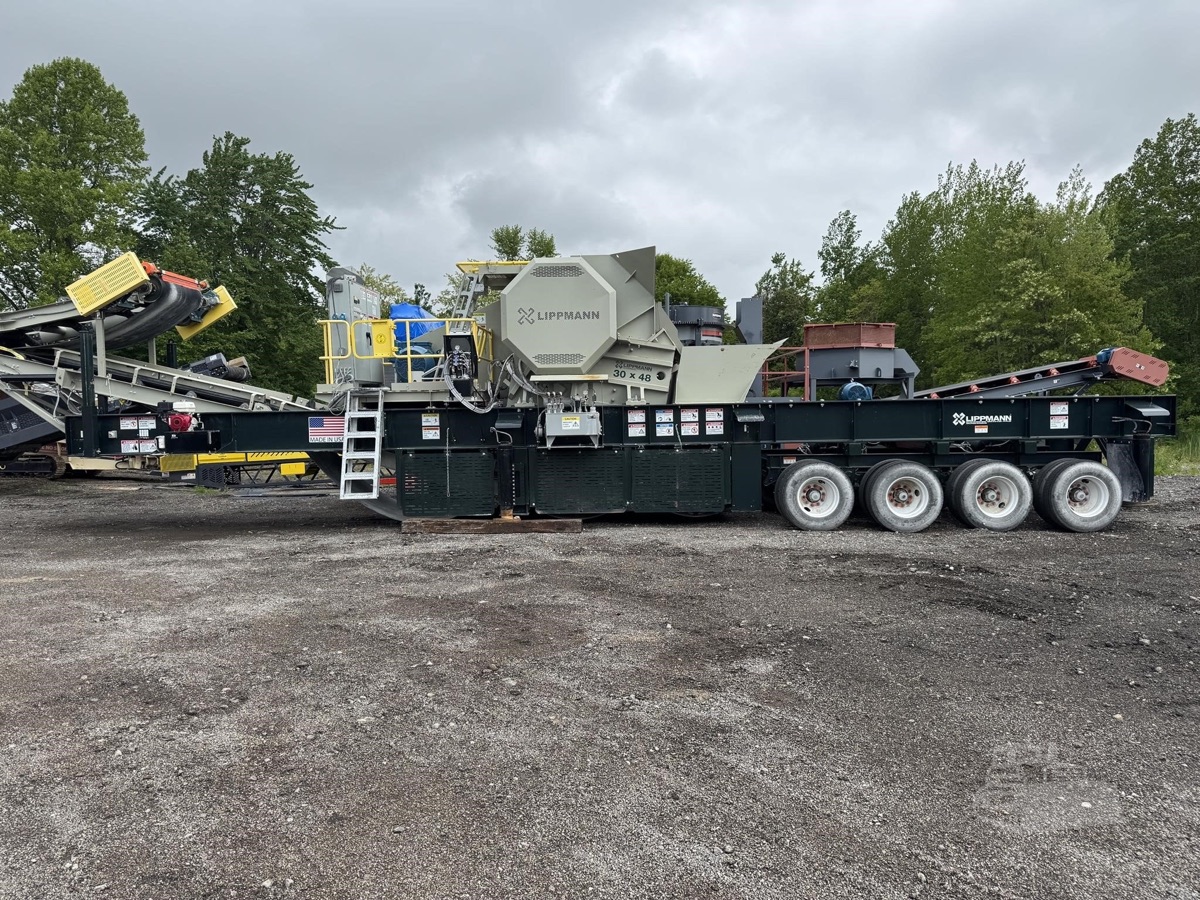
The Grizzly Feeder: Your Crusher's Best Friend
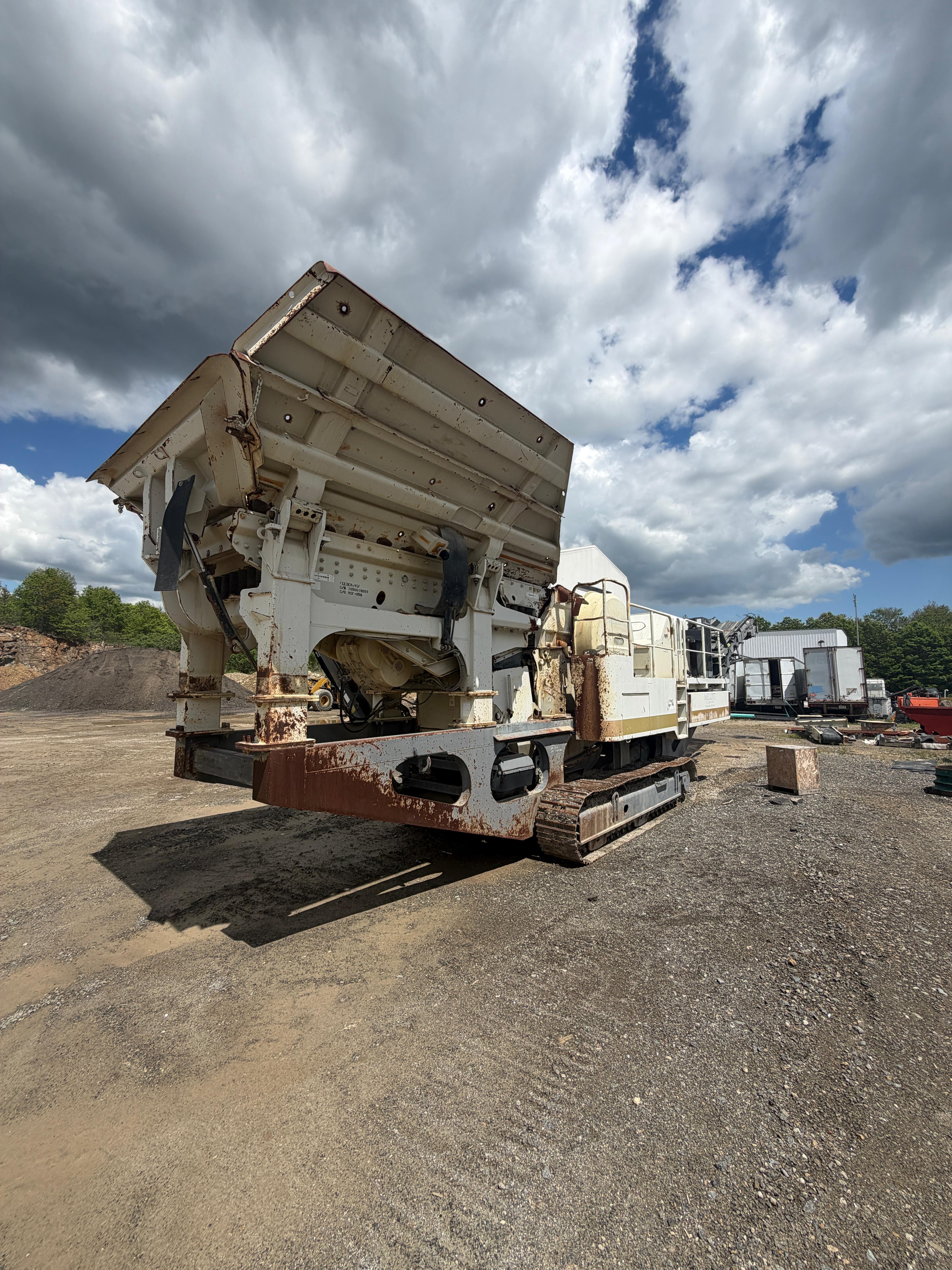
A grizzly feeder is a vibrating feeder with built-in scalping bars (grizzly bars) that sits between the feed hopper and the crusher. It performs two critical functions: regulating feed rate to the crusher and pre-screening fines before they reach the crushing chamber.
How It Works
The grizzly feeder has two sections:
- Solid pan section — The front section is a solid vibrating pan. Material from the hopper slides along this pan toward the crusher at a controlled rate. This prevents surging (too much material at once) and starvation (too little).
- Grizzly bar section — The rear section has spaced bars (the "grizzly"). Material smaller than the bar spacing falls through and bypasses the crusher. Only oversized material that needs crushing continues into the crusher's feed opening.
Why Your Crusher Needs One
- Consistent feed rate — Without a feeder, the loader dumps directly into the crusher. This creates surge loading that stresses components and causes uneven production. A feeder smooths the flow.
- Pre-screening saves fuel — 15-30% of typical feed material is already smaller than the crusher's CSS. Sending it through the crusher wastes fuel and creates excess fines. The grizzly removes it.
- Protects the crusher — The feeder regulates feed rate so the crusher operates at optimal capacity. Overfeeding causes bridging and excessive wear. Underfeeding wastes capacity.
- Larger hopper capacity — Most grizzly feeders include an integrated hopper that holds 5-15 cubic yards. This lets the loader dump and return for more material without waiting for the crusher to process each bucket.
Types of Grizzly Feeders
| Type | How It Works | Best For | Price Range |
|---|---|---|---|
| Vibrating grizzly feeder (VGF) | Eccentric shaft vibrates the entire deck | Most applications — aggregate, recycling, quarry | $50,000 – $200,000 |
| Apron feeder | Chain-driven steel plates carry material | Very heavy, large feed — quarry primary | $100,000 – $400,000 |
| Belt feeder | Conveyor belt feeds material at controlled rate | Fine material, controlled feed rate critical | $40,000 – $150,000 |
| Reciprocating plate feeder | Plates slide back and forth to move material | Sticky, wet material that blinds grizzly bars | $60,000 – $175,000 |
Sizing Your Grizzly Feeder
- Match feed width to crusher opening — The feeder discharge should be the same width as or slightly narrower than the crusher feed opening
- Hopper capacity — Size the hopper for at least 2 loader bucket loads so the loader isn't waiting between dumps
- Grizzly bar spacing — Set spacing equal to or slightly smaller than the crusher's CSS to maximize bypass efficiency
- Feed rate capacity — The feeder must handle your target TPH plus 20% surge capacity
Most Portable Crushers Include One
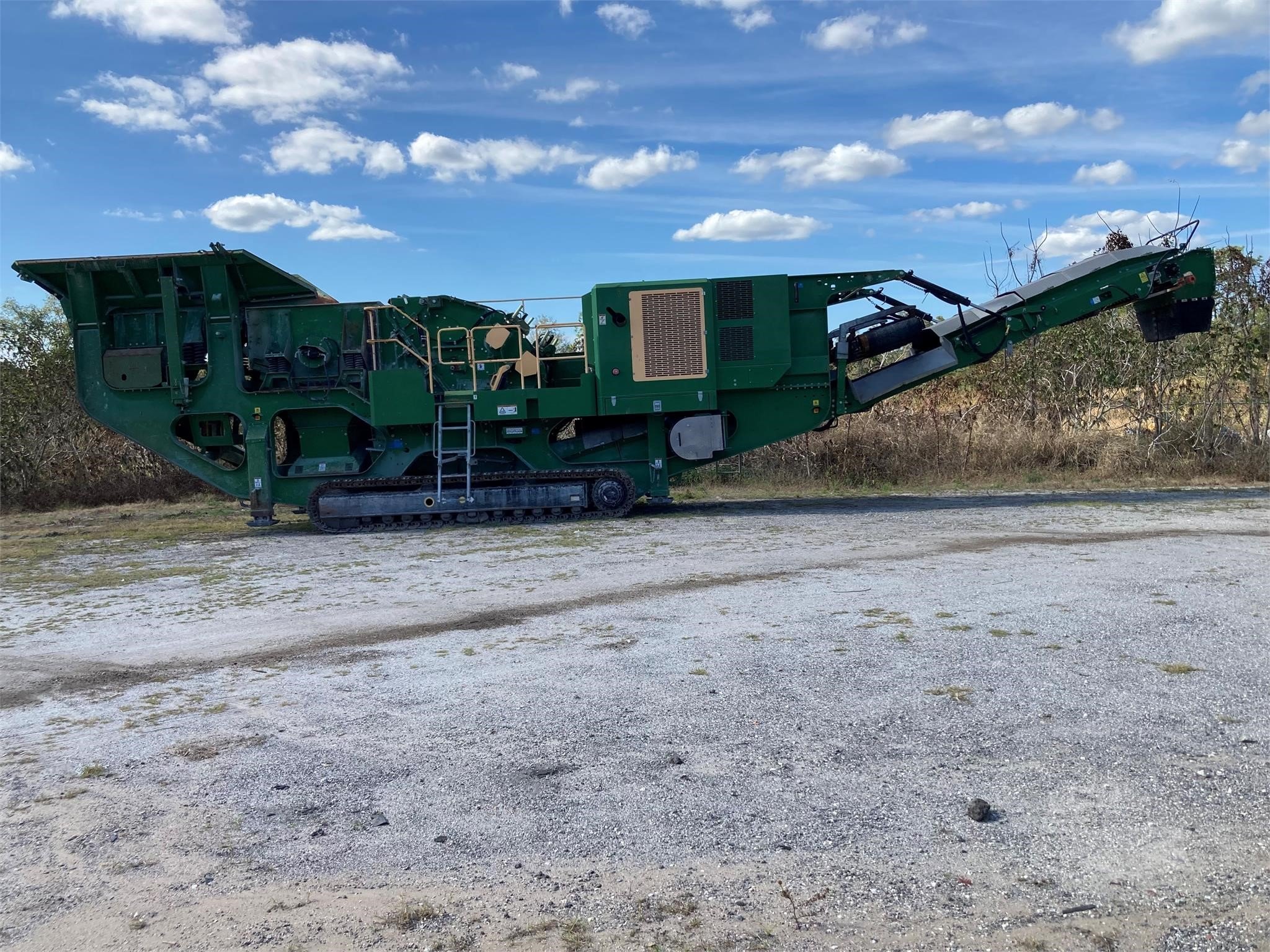
Most modern portable jaw crusher plants come with an integrated vibrating grizzly feeder — it's built into the chassis below the feed hopper. When buying a used portable plant, inspect the feeder components (springs, eccentric shaft bearings, grizzly bars) as part of your pre-purchase inspection. Worn grizzly bars reduce pre-screening efficiency and can be replaced for $2,000-$8,000.