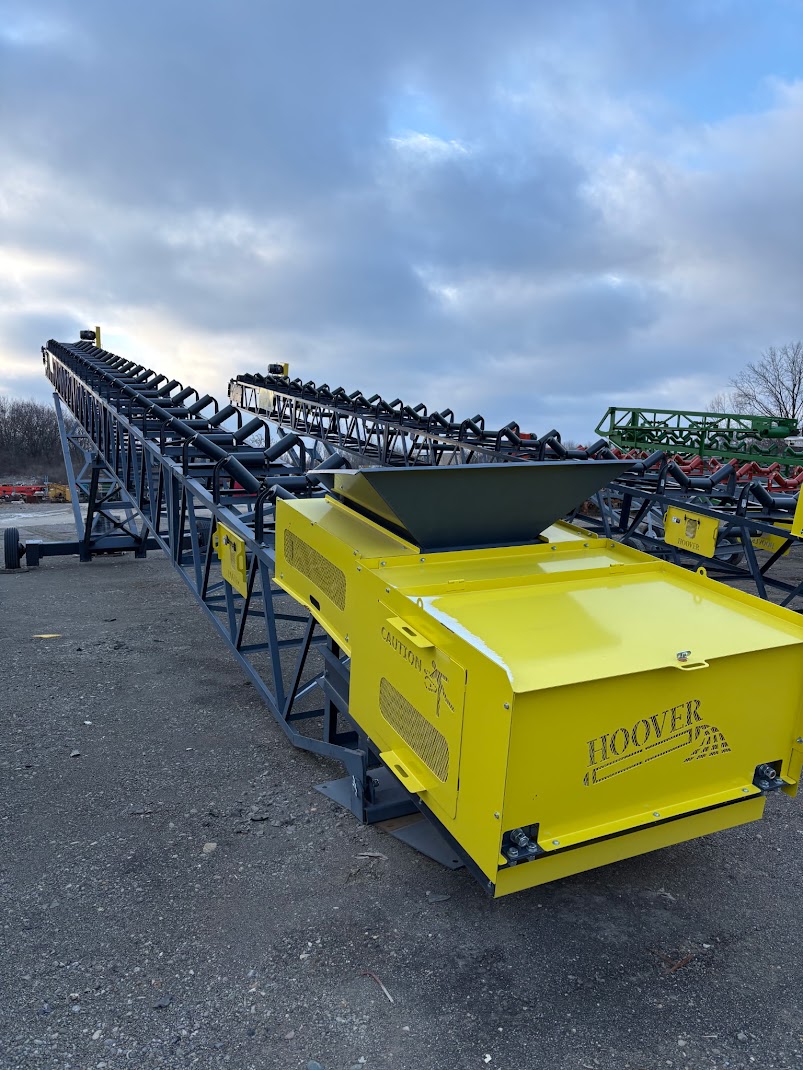
Scalping Screens: The Unsung Hero of Efficient Crushing
A scalping screen sits before the crusher and pre-screens the feed material. It removes fines and dirt that don't need to be crushed, and separates oversize material that's too large for the crusher. This simple addition can increase crushing plant production by 20-40% while reducing wear part costs.
How a Scalper Works
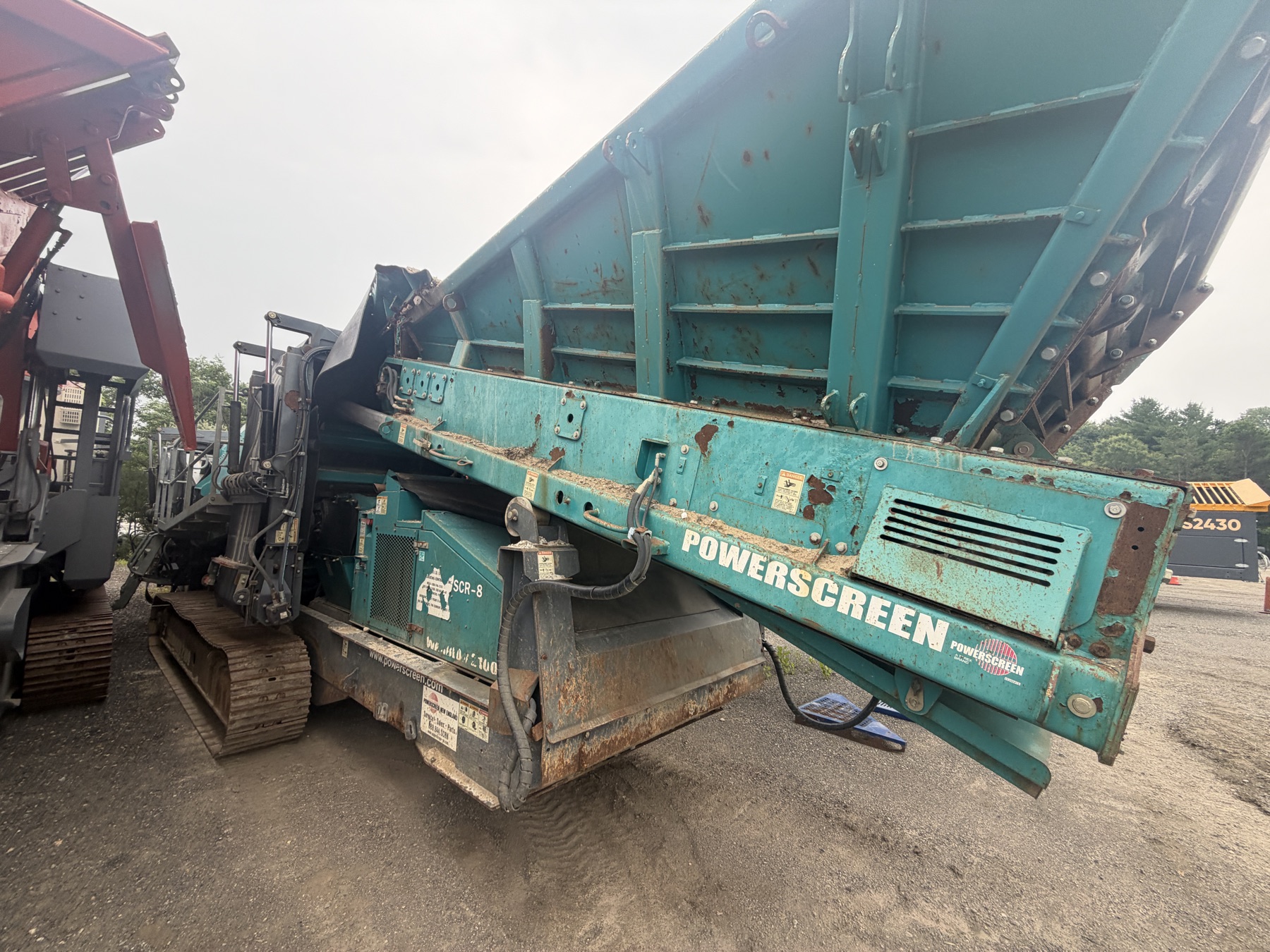
Scalping screens use aggressive screening action — typically heavy-duty finger screens, grizzly bars, or bofor bars — to separate material into two or three fractions:
- Oversize — Material too large for the crusher. Returned for secondary breaking or rejected.
- Crushable material — Correctly sized feed that goes to the crusher.
- Fines/dirt — Material that's already small enough (or unwanted dirt/clay). Bypasses the crusher entirely.
Why You Need a Scalper
Without pre-screening, everything goes through the crusher — including material that's already smaller than your crusher's CSS (closed side setting). This means:
- Wasted fuel — Crushing material that's already the right size wastes 15-25% of your fuel
- Reduced throughput — Fines take up space in the crushing chamber, reducing capacity for material that actually needs crushing
- Excess wear — Dirt and clay accelerate wear on jaw plates, blow bars, and other wear parts
- Poor product quality — Crushing fines creates dust and excess minus material
Popular Scalping Screens
| Brand/Model | Type | Capacity | New Price | Used Price |
|---|---|---|---|---|
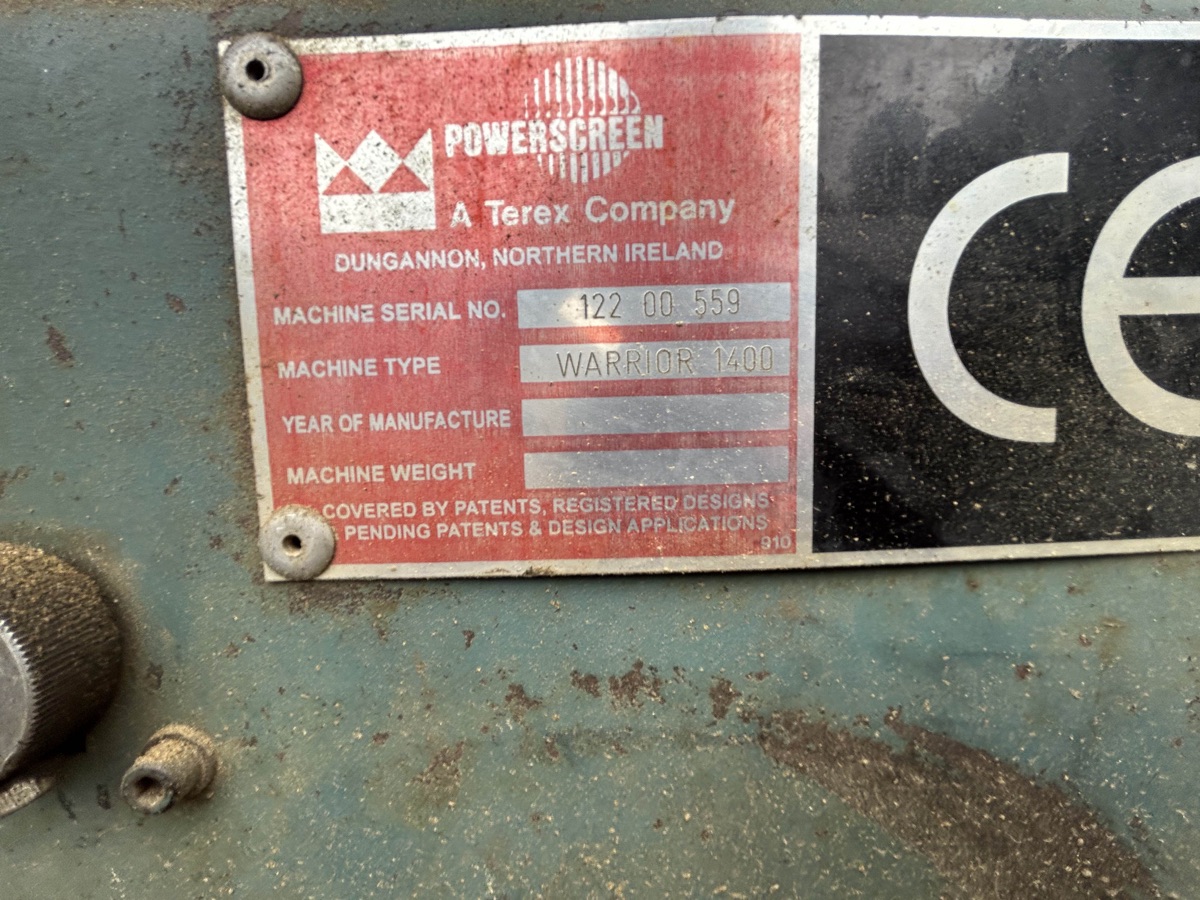
| Powerscreen Warrior 600 | Heavy-duty finger | 200 – 400 TPH | $200,000 – $275,000 | $75,000 – $175,000 |
| Powerscreen Warrior 800 | Heavy-duty finger | 300 – 600 TPH | $275,000 – $375,000 | $125,000 – $250,000 |
| McCloskey S130 | Vibrating scalper | 250 – 450 TPH | $300,000 – $375,000 | $150,000 – $275,000 |
| Terex Finlay 863 | Heavy-duty scalper | 200 – 400 TPH | $225,000 – $300,000 | $100,000 – $200,000 |
| IROCK Crushers TC20 | Vibrating scalper | 300 – 500 TPH | $250,000 – $350,000 | $125,000 – $225,000 |
When a Scalper Pays for Itself
Adding a $200,000 scalper to a crushing circuit typically pays for itself within 6-12 months through:
- 20-40% throughput increase — $50,000 – $100,000/year in additional revenue at 300 TPH
- 25-35% reduction in jaw plate wear — $5,000 – $15,000/year in wear parts savings
- 15-25% fuel savings on the crusher — $10,000 – $30,000/year
Setup Tips
- Position the scalper as close to the crusher as conveyor length allows — shorter conveyors mean less spillage
- Set bottom deck openings to match your crusher's CSS — material smaller than the CSS bypasses the crusher
- Use the scalper's fines conveyor to build a separate stockpile — the fines are often saleable as fill or bedding material
- Install a magnetic separator on the scalper's discharge conveyor if processing recycled material