Frequently Asked Questions About Heavy Equipment
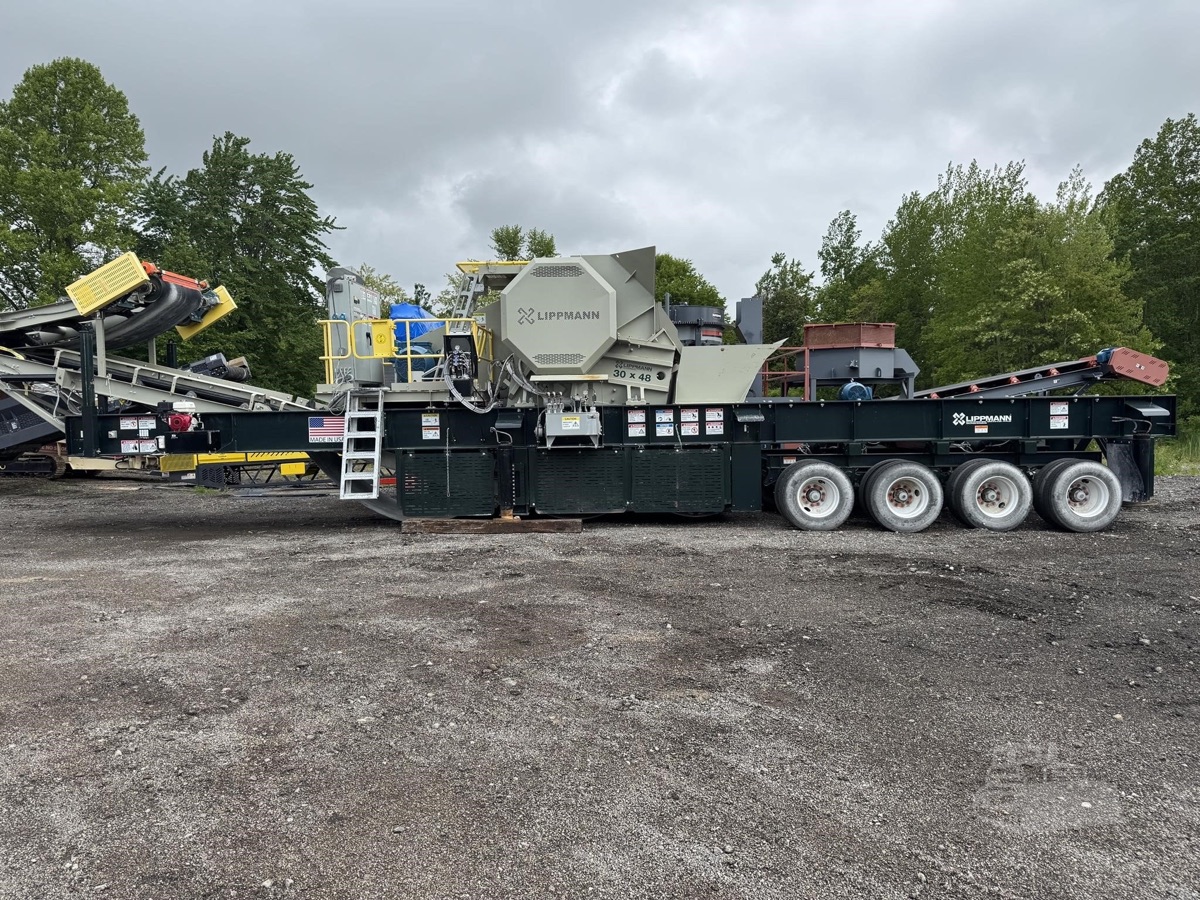
What does a used jaw crusher cost?
Used jaw crushers range from $50,000 for older, high-hour units to $600,000+ for late-model, low-hour machines. The average used jaw crusher in our marketplace sells for $250,000-$400,000 with 1,000-3,000 hours. Brand, jaw opening size, and engine hours are the biggest price drivers.
What is the difference between a jaw crusher and an impact crusher?
A jaw crusher uses compression to break rock between two plates. An impact crusher uses spinning rotors with blow bars to throw material against fixed anvils. Jaw crushers are better for hard rock and primary crushing. Impact crushers are better for softer materials and produce a more cubical product shape.
How many tons per hour does a mobile crusher produce?
Mobile jaw crushers typically produce 100-500 tons per hour depending on size, feed material, and product size setting. A mid-size jaw crusher (40" opening) produces 200-350 TPH under normal conditions. Impact crushers and cone crushers have similar ranges depending on model.
What is CSS on a crusher?
CSS stands for Closed Side Setting — the minimum gap between the crushing surfaces at their closest point. It determines the maximum product size. A CSS of 3 inches means the largest product will be approximately 3 inches (some oversize is normal). CSS is adjustable on all modern crushers.
How often do you change jaw plates?
Jaw plates typically last 500-2,000 hours depending on the material being crushed. Soft limestone extends jaw plate life. Hard granite, basalt, or recycled concrete with rebar shortens it significantly. A set of jaw plates costs $6,000-$25,000 depending on material grade.
What is the best crusher for recycling concrete?
Impact crushers are the most popular choice for concrete recycling. The impact action liberates rebar from concrete more effectively than compression crushing. The blow bars can handle occasional tramp metal better than jaw plates. Popular models include the McCloskey I44, Eagle Crusher 1400 series, and Rubble Master RM100GO!.
How much fuel does a mobile crusher use?
A typical mobile jaw crusher consumes 15-25 gallons of diesel per hour under load. That translates to $60-$100/hour at current fuel prices. Larger crushers (cone crushers, large impact crushers) can consume 20-35 gallons per hour. Electric-drive and hybrid machines reduce fuel consumption by 20-40%.
What size excavator do I need to feed a crusher?
For a mid-size jaw crusher (200-350 TPH), a 30-40 ton excavator with a 2-3 cubic yard bucket is ideal. Smaller excavators can't keep the crusher full, which reduces efficiency. Larger excavators risk overfeeding and jamming the crusher. A wheel loader (3-5 yard bucket) is an alternative for flat stockpile feeding.
What is a trommel screen used for?
A trommel screen is a rotating drum with screen panels used to separate material by size. Trommels excel at screening wet, sticky, or irregular materials like topsoil, compost, wood waste, and construction debris. They're preferred over vibrating screens when moisture content is high because the tumbling action prevents screen blinding.
How much does a mobile screener cost?
New mobile screeners range from $150,000 for compact 2-deck models to $650,000 for large 3-deck production screeners. Used screeners with 1,000-3,000 hours typically sell for $100,000-$350,000. Brand, screen area, and number of decks are the main price drivers.
What is the difference between a horizontal grinder and a tub grinder?
A horizontal grinder feeds material on a conveyor into a spinning drum or hammermill. A tub grinder drops material from a rotating tub onto a hammermill. Horizontal grinders handle longer material (whole trees, railroad ties) and produce more consistent output. Tub grinders handle irregular material (stumps, root balls) better and are simpler to operate.
How many hours is too many on a used excavator?
Excavators can operate well past 10,000 hours with proper maintenance. Under 5,000 hours is low. 5,000-10,000 hours is normal working range. 10,000-15,000 hours is high but not unusual. Over 15,000 hours requires careful inspection of all major components. The key is maintenance history, not just the hour number.
What is DEF and why does my equipment need it?
DEF (Diesel Exhaust Fluid) is a urea-based solution required on Tier 4 Final diesel engines to reduce NOx emissions. The engine injects DEF into the exhaust stream where it converts harmful nitrogen oxides into harmless nitrogen and water. DEF consumption is roughly 2-3% of diesel consumption. Running out causes the engine to derate and eventually shut down.
Do I need an MSHA permit to operate a crusher?
Yes. Mobile crushing operations in the US fall under MSHA (Mine Safety and Health Administration) jurisdiction. You need an MSHA ID number (free to obtain), and all workers must complete Part 46 safety training (24 hours initial, 8 hours annual refresher). MSHA conducts periodic inspections of active crushing sites.
What is the best brand of mobile crusher?
There is no single "best" brand — it depends on your application. McCloskey and Finlay are popular for versatility. Eagle Crusher and Lippmann are preferred for heavy-duty quarry work. Rubble Master dominates compact urban crushing. IROCK offers strong value. The best brand is the one with good dealer support in your area.
How much does it cost to run a crushing operation per hour?
Total operating cost for a typical jaw crusher + screener spread is $200-$400 per hour including fuel, wear parts, labor, and equipment depreciation. This breaks down roughly as: fuel 35%, wear parts 25%, labor 20%, equipment depreciation 15%, miscellaneous 5%.
Can I crush concrete on my own property?
It depends on your local regulations. Most jurisdictions require an air quality permit and noise compliance for crushing operations, even on private property. Zoning must allow industrial activity. Some areas require MSHA compliance. Check with your local planning department and state environmental agency before setting up any crushing operation.
What is a scalping screen?
A scalping screen is a heavy-duty screener placed before the crusher to pre-screen feed material. It removes fines and dirt that don't need crushing and separates oversize material. Adding a scalper typically increases crushing plant production by 20-40% while reducing wear part costs.
How do I transport a mobile crusher?
Tracked mobile crushers are loaded onto lowboy trailers for transport between sites. A typical jaw crusher weighs 80,000-120,000 lbs and requires a heavy-haul trailer. Transport cost is $3,000-$10,000 per move depending on distance. Wheeled/portable crushers can be towed directly but still require oversize permits in most states.
What is the difference between Tier 3 and Tier 4 Final engines?
Tier 4 Final engines use aftertreatment systems (DPF and SCR with DEF) to reduce emissions by 90% compared to Tier 3. Tier 4 Final is required on all new equipment. Tier 3 machines are simpler and cheaper to maintain but may be restricted from operating on permitted sites or government-funded projects in some states.
How long does a mobile crusher last?
With proper maintenance, a quality mobile crusher (McCloskey, Lippmann, Eagle Crusher) can operate for 15,000-25,000+ hours. The engine, undercarriage, and major components may need rebuilds during that time. The frame and main structure can last decades. Many operators budget for a full engine rebuild at 8,000-12,000 hours.
What is the ROI on a mobile crusher?
A used jaw crusher purchased for $300,000 and operated at 250 TPH for 1,500 hours/year at $6/ton in crushing fees generates approximately $2.25 million in annual revenue. After operating costs of $1.2-$1.5 million, the machine pays for itself in 3-6 months. New machines take 12-18 months to pay off.
Should I buy or rent a crusher?
Buy if you'll use it 1,000+ hours per year — the per-hour cost of ownership is much lower than rental rates. Rent if you need a crusher for a specific project (under 3-6 months) or want to try a machine before buying. Rental rates for jaw crushers are typically $15,000-$35,000 per month.
What size generator do I need for a mobile crusher?
Most modern mobile crushers are self-powered with onboard diesel engines. If you're running an electric-drive crusher or need site power, size your generator at 125% of the crusher's peak electrical demand. A typical electric-drive jaw crusher needs 200-400 kW. Add screeners and conveyors for total site demand.
Where can I buy used crushing and screening equipment?
Used equipment is available through equipment dealers, online marketplaces (Machinery Trader, Equipment Trader), auction companies (Ritchie Bros, IronPlanet), and brokers like RPG Equipment. Buying from a dealer or broker typically costs 10-20% more than auction but includes more assurance on condition, documentation, and after-sale support.
Have more questions? Contact RPG Equipment — we're happy to help you find the right machine for your operation.