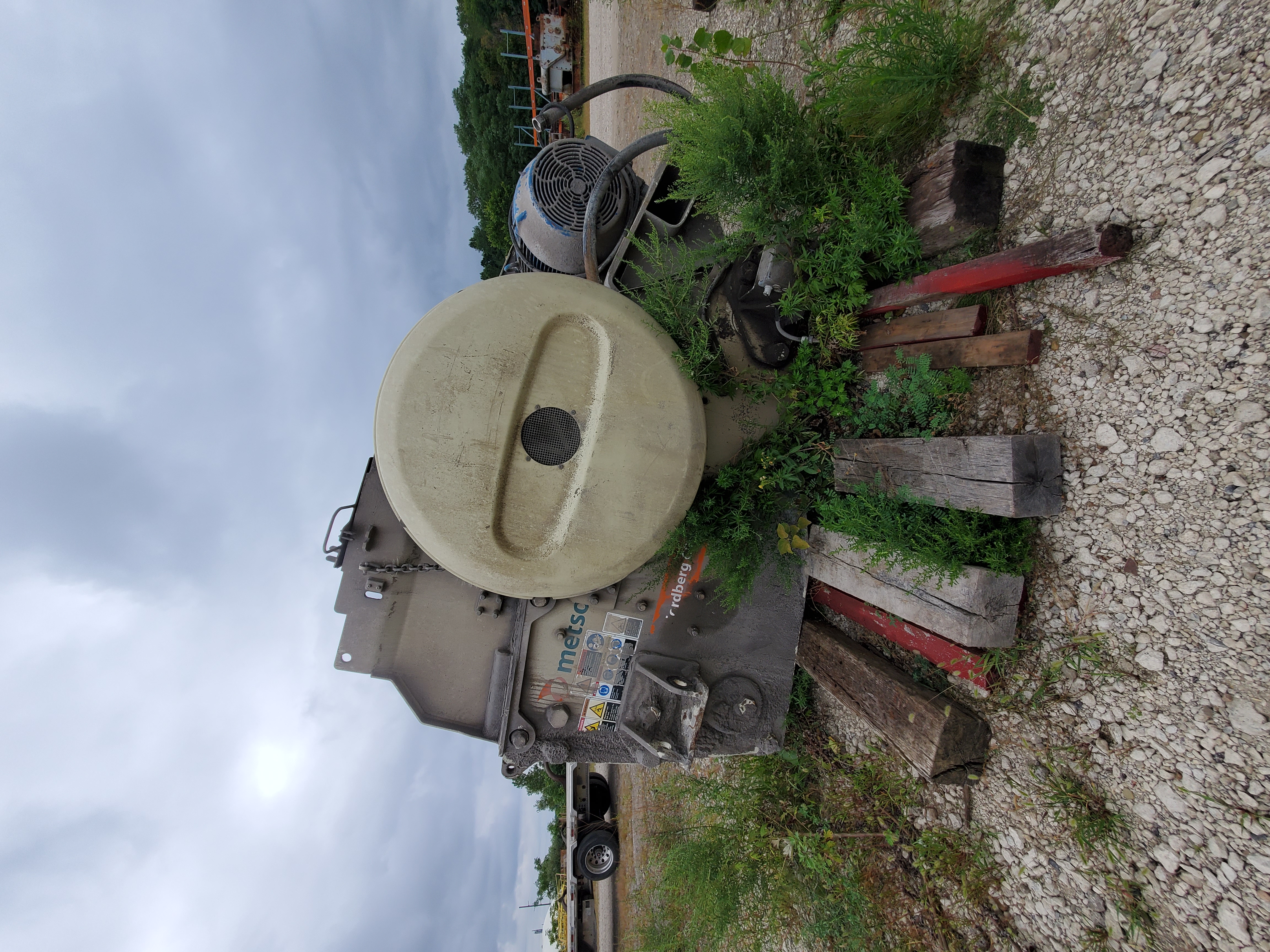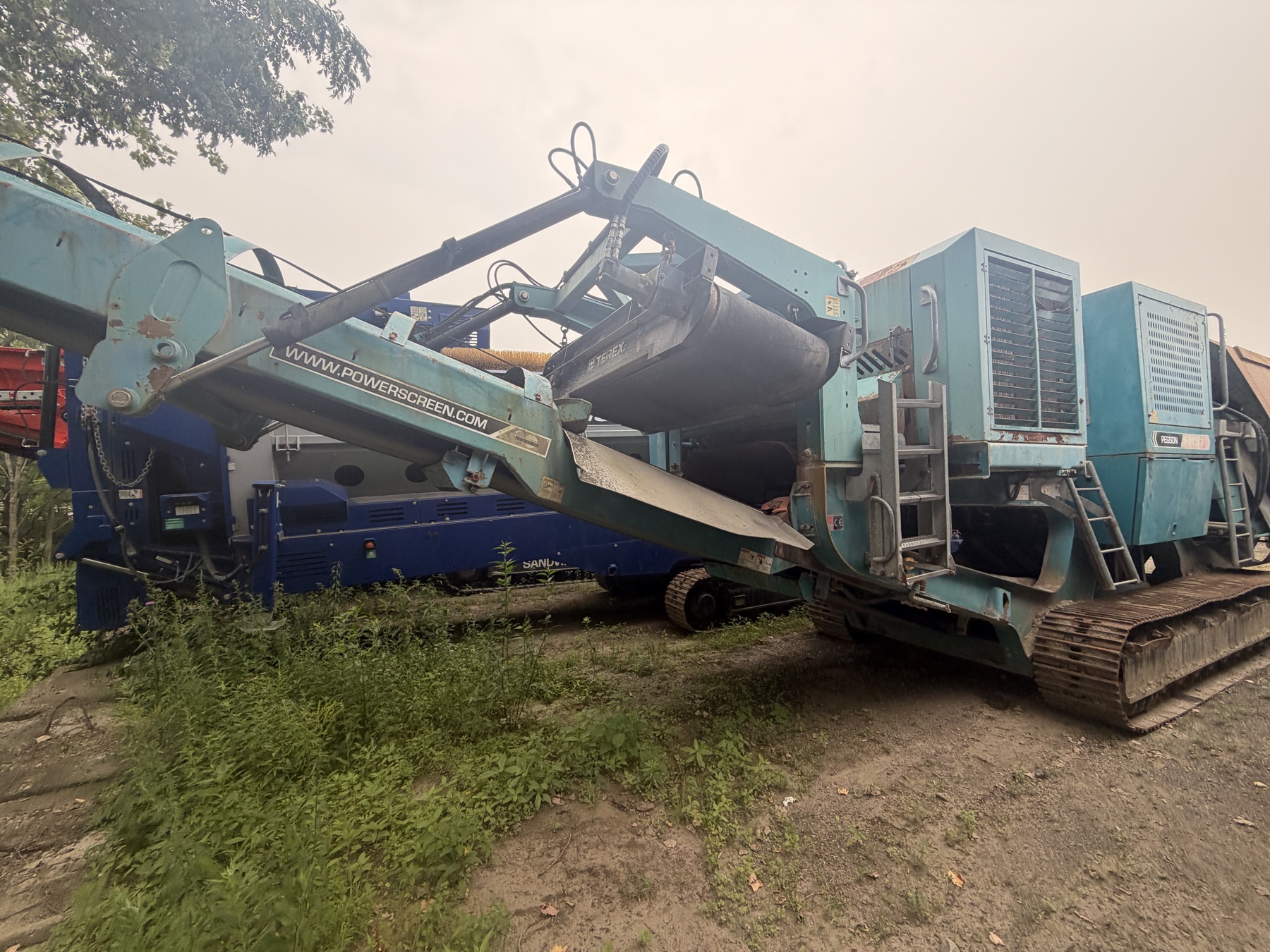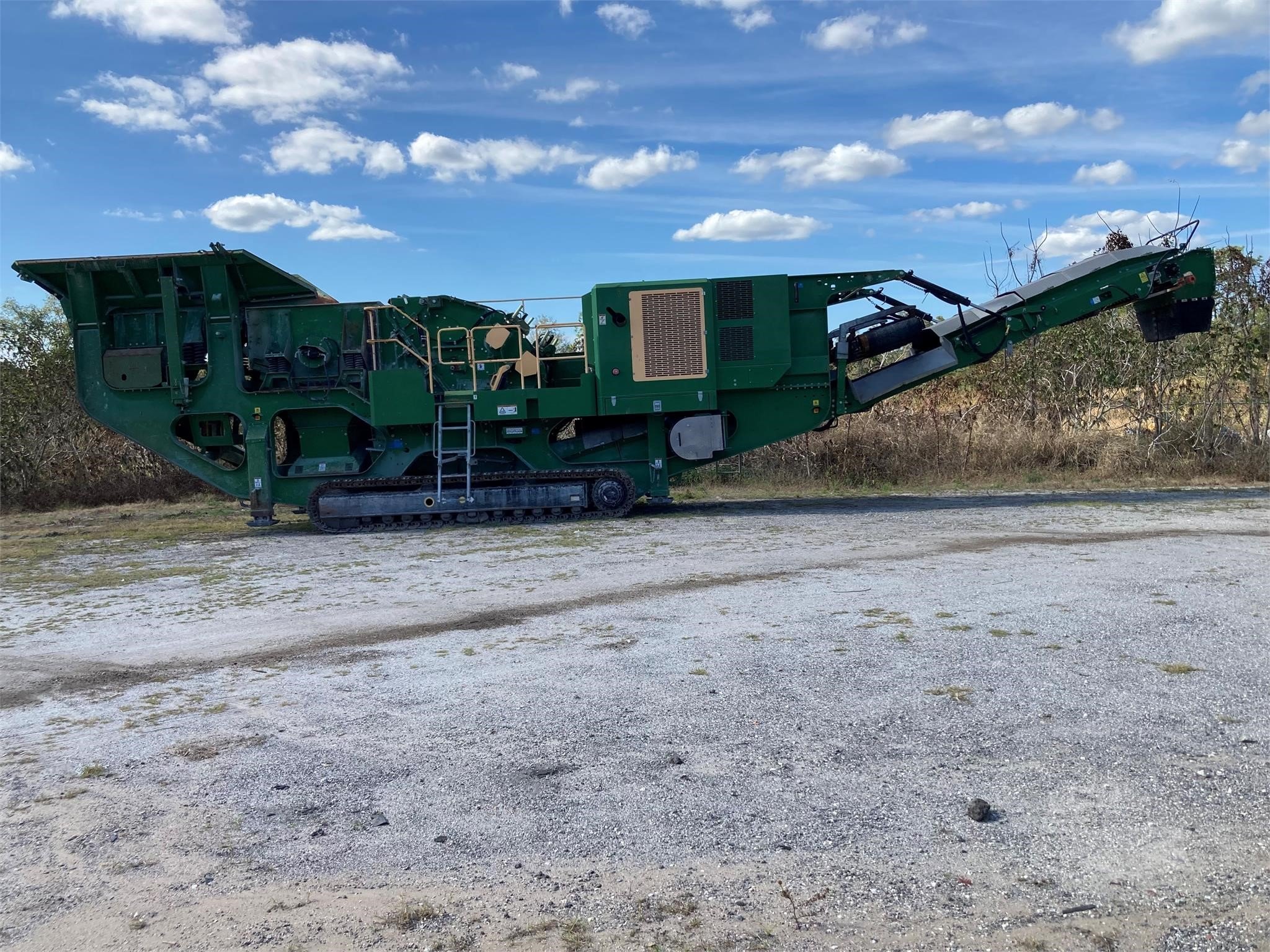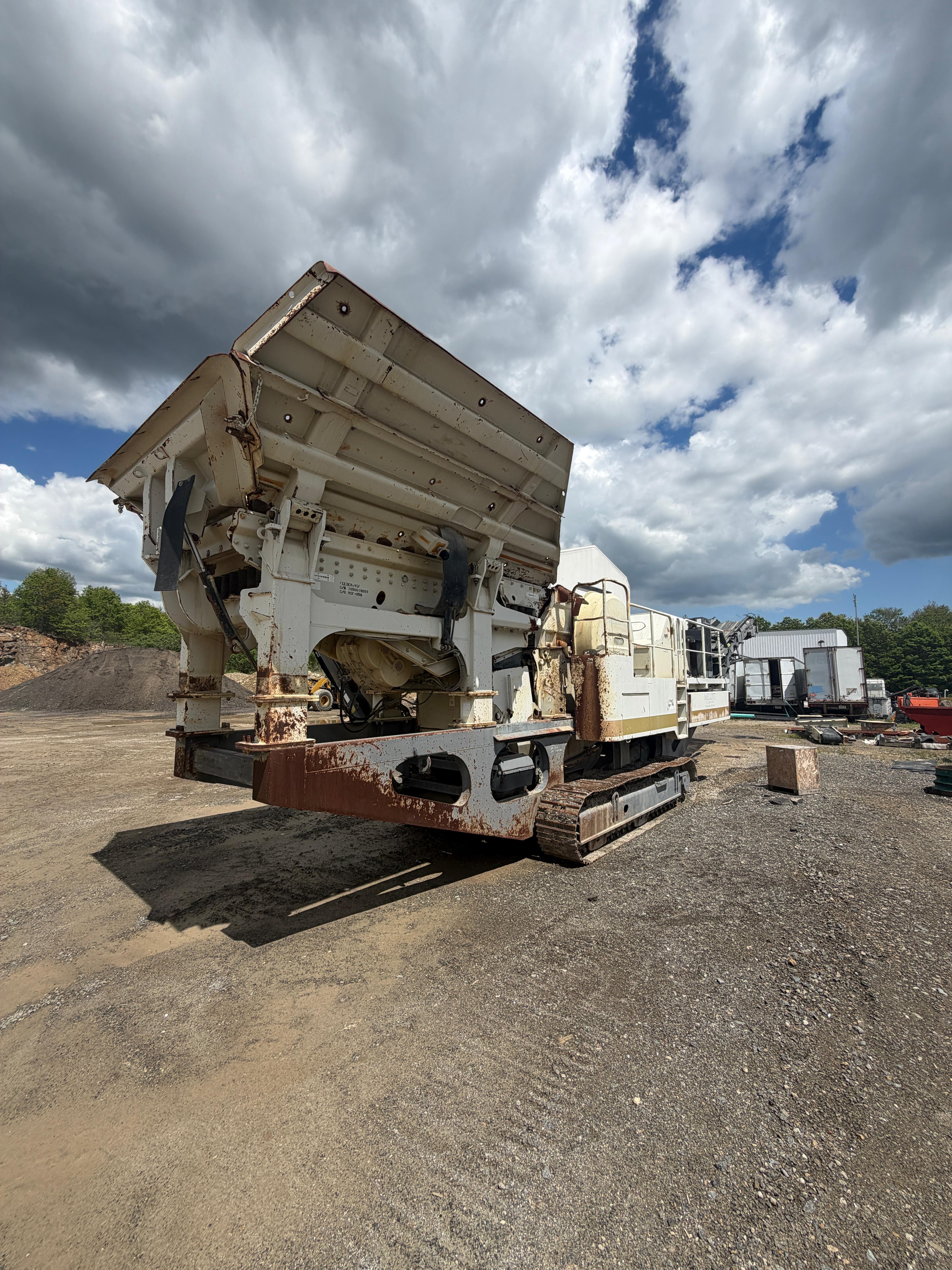
Choosing between a jaw crusher, impact crusher, and cone crusher is one of the most important equipment decisions you'll make in a crushing operation. Pick the right one and you'll produce quality material efficiently for years. Pick the wrong one and you're looking at excessive wear, poor product shape, and money left on the table. This guide cuts through the marketing noise and gives you a straightforward comparison so you can figure out which crusher type you actually need.
At RPG Equipment, we deal in all three types of crushers daily. We've seen contractors thrive with the right machine and struggle with the wrong one. The difference almost always comes down to understanding what each crusher does best — and where it falls short.
How a Jaw Crusher Works
A jaw crusher uses two heavy steel plates — one fixed and one that moves back and forth — to compress material. Think of it like a giant mechanical mouth. Rock enters the top of the V-shaped chamber, gets squeezed between the jaw dies as the moving jaw cycles, and exits at the bottom as smaller pieces.
Jaw crushers are compression crushers. They don't hit the rock — they squeeze it until it fractures. This makes them extremely effective on hard, abrasive materials that would destroy other crusher types quickly.
Key characteristics of jaw crushers:
- Best for: Primary crushing of hard rock, concrete, and mixed demolition material
- Feed size: Can accept the largest feed of any crusher type — up to 40"+ on large machines
- Product shape: Produces elongated, slab-shaped pieces (not ideal for spec aggregate without secondary crushing)
- Reduction ratio: Typically 6:1 to 8:1
- Capacity: 50–1,000+ TPH depending on size
- Wear parts: Jaw dies (manganese steel) — relatively inexpensive and easy to change
Jaw crushers are the most forgiving crusher type. They'll eat rebar, handle wet and sticky material reasonably well, and tolerate tramp iron better than impacts or cones. If you can only own one crusher, a jaw crusher is almost always the right first choice.
How an Impact Crusher Works
An impact crusher uses rapidly spinning rotors fitted with blow bars to literally throw material against stationary impact curtains (or anvils). The high-speed impact shatters the rock along its natural fracture lines, producing a cubical, well-shaped product.
There are two main types: horizontal shaft impactors (HSI) and vertical shaft impactors (VSI). HSIs are more common for primary and secondary crushing, while VSIs are typically used for tertiary crushing and shaping. For this comparison, we're primarily talking about HSI-type impact crushers, since those are what most contractors are choosing between when comparing to jaw and cone crushers.
Key characteristics of impact crushers:
- Best for: Recycled concrete and asphalt, limestone, softer rock, demolition debris
- Feed size: Moderate — typically up to 24"–30" depending on the machine
- Product shape: Excellent cubical shape — often meets spec without secondary crushing
- Reduction ratio: Higher than jaw crushers — up to 10:1 or even 12:1
- Capacity: 100–800+ TPH depending on size
- Wear parts: Blow bars, impact curtains/aprons, liners — wear faster than jaw dies, especially on abrasive material
Impact crushers shine in recycling applications. If you're crushing recycled concrete or asphalt to make road base or fill, an impactor will give you a better product shape in a single pass than a jaw crusher. The tradeoff is higher wear costs, especially if you're feeding anything harder than medium-hard rock.
How a Cone Crusher Works
A cone crusher works by squeezing material between a gyrating inner cone (the mantle) and a stationary outer ring (the concave). The mantle rotates eccentrically inside the concave, continuously compressing and releasing material as it moves through the crushing chamber.
Cone crushers are compression crushers like jaw crushers, but they operate in a fundamentally different way. The continuous gyrating action — rather than the back-and-forth motion of a jaw — provides a much more consistent and finer product. Cones are almost always used as secondary or tertiary crushers, taking the output from a jaw crusher and reducing it further.
Key characteristics of cone crushers:
- Best for: Secondary/tertiary crushing of hard, abrasive rock (granite, basalt, gneiss)
- Feed size: Smaller — typically requires pre-crushed material under 8"–12"
- Product shape: Good cubical shape, excellent for producing graded aggregate
- Reduction ratio: 4:1 to 6:1 (lower than impactors, but on much harder material)
- Capacity: 50–600+ TPH depending on size and configuration
- Wear parts: Mantle and concave — expensive but long-wearing on appropriate material
Cone crushers are precision machines. They're the best tool for producing graded, cubical aggregate from hard rock — but they're overkill for recycling applications and they don't tolerate tramp metal, sticky material, or inconsistent feed as well as jaw or impact crushers.
Crusher Comparison Table
| Feature | Jaw Crusher | Impact Crusher (HSI) | Cone Crusher |
|---|---|---|---|
| Crushing Method | Compression | Impact / striking | Compression (gyrating) |
| Best For | Primary crushing of hard rock, concrete | Recycling, limestone, softer rock | Secondary/tertiary hard rock aggregate |
| Product Shape | Elongated / slab-like | Excellent cubical shape | Good cubical shape |
| Max Feed Size | Up to 40"+ | Up to 24"–30" | Up to 8"–12" (pre-crushed) |
| Reduction Ratio | 6:1 – 8:1 | 8:1 – 12:1 | 4:1 – 6:1 |
| Capacity Range | 50 – 1,000+ TPH | 100 – 800+ TPH | 50 – 600+ TPH |
| Wear Cost | Low to moderate | Moderate to high | Moderate (long wear life) |
| Handles Rebar? | Yes — very tolerant | Somewhat — magnet recommended | No — tramp metal causes damage |
| Typical New Price (2026) | $200K – $800K+ | $250K – $750K+ | $400K – $900K+ |
| Typical Used Price (2026) | $50K – $400K | $60K – $450K | $75K – $500K |
Application Guide: Which Crusher for Which Job?
Here's where the rubber meets the road. Let's walk through common real-world applications and identify the best crusher choice for each.
Recycled Concrete and Asphalt
Best choice: Impact crusher
If you're primarily crushing recycled concrete or reclaimed asphalt pavement (RAP) to produce road base, pipe bedding, or fill material, an impact crusher is typically your best bet. The impact action does an excellent job of separating aggregate from cement paste, and the cubical product shape means you can often produce spec base material in a single pass. The material is relatively soft (compared to virgin rock), so blow bar wear is manageable.
A jaw crusher is also a solid option here, especially if you're dealing with large slabs or heavily reinforced concrete. Many contractors start with a jaw crusher for concrete recycling because of the lower wear costs and simplicity. You just won't get as nice a product shape.
Hard Rock Aggregate Production (Granite, Basalt, Gneiss)
Best choice: Jaw crusher (primary) + Cone crusher (secondary)
For hard, abrasive rock, the classic jaw-plus-cone combination is hard to beat. The jaw crusher does the primary reduction, taking blasted rock down to 4"–8" minus. The cone crusher then takes over for secondary reduction, producing graded aggregate with good cubical shape.
Do not use an impact crusher as a primary on hard rock. Blow bar wear will eat you alive — you could be changing bars every few days on granite, and each set can cost $5,000–$15,000+. A jaw crusher's manganese dies will last dramatically longer on the same material.
Limestone and Softer Rock
Best choice: Impact crusher (primary) or Jaw crusher (primary) + Impact/Cone (secondary)
Limestone is the sweet spot for impact crushers. It's soft enough that blow bar wear is reasonable, and the impact action produces an excellent cubical product. For smaller operations producing road base or agricultural lime, a single impact crusher may be all you need.
For larger operations or when producing multiple graded products, a jaw crusher as primary followed by a cone or impact as secondary gives you more flexibility and control over your output.
Demolition and C&D Recycling
Best choice: Jaw crusher or Impact crusher
Demolition sites throw everything at a crusher — concrete with rebar, block, brick, asphalt, and the occasional piece of steel that shouldn't be there. Jaw crushers are the most forgiving in these applications because they tolerate tramp metal better than any other type.
If you go with an impactor for demolition, make sure you have a strong magnet on the feed conveyor and good picking procedures. Impact crushers produce a better product from demo material, but they're less tolerant of the surprises that come with mixed C&D feeds.
Producing Spec Aggregate (DOT Work, Concrete Supply)
Best choice: Multi-stage crushing — Jaw + Cone + Screen
When you need to produce tightly graded aggregate that meets DOT specs or is going into ready-mix concrete, you'll almost certainly need at least a two-stage crushing setup with screening. The jaw handles primary reduction, the cone produces the final graded product, and screening separates your sizes.
Some operations add a VSI (vertical shaft impactor) as a third stage for final shaping. This is common in operations where product shape specifications are very tight.
One Crusher or Two? The Single-Machine Question
Many contractors — especially those just getting into crushing — want to know if they can get by with a single machine. The answer depends entirely on your application and product requirements.
You can probably get by with one crusher if:
- You're recycling concrete or asphalt for base material (one impact or jaw crusher)
- You're producing ungraded or loosely graded fill material
- You're processing relatively soft material like limestone for a single product
- Your volume is under 200–300 TPH
You probably need two or more crushers if:
- You're producing multiple graded products from hard rock
- You need to meet DOT or ASTM aggregate specifications
- You're running a full-time quarry or pit operation
- Product shape is critical (cubical aggregate for concrete or asphalt mix)
Common Mistakes When Choosing a Crusher Type
We see these mistakes regularly:
Using an impact crusher on abrasive hard rock. This is the most common and most expensive mistake. A contractor buys an impactor because they like the product shape, then discovers they're spending $20,000+ per month on blow bars trying to crush granite. Match your crusher to your material.
Buying too small. A crusher running at 90% of its rated capacity all day will wear faster, produce less consistent product, and stress every component. Buy a machine rated for 20–30% more than your expected throughput.
Ignoring the feed. A crusher is only as good as the material you feed it. Consistent feed size and rate matter enormously. An excavator operator who surge-loads the hopper will cause more problems than the crusher type you choose.
Forgetting about screening. A crusher without proper screening is only doing half the job. Budget for a screener as part of your crushing setup, not as an afterthought.
Find the Right Crusher at RPG Equipment
Still not sure which crusher type fits your operation? That's exactly the kind of question we help contractors answer at RPG Equipment. As used heavy equipment brokers on the US East Coast, we work with buyers and sellers every day to match the right machine to the right application.
Whether you need a jaw crusher for primary reduction, an impact crusher for recycling, or a cone crusher for producing spec aggregate, we can help you find a quality used machine that fits your budget and your operation.
Browse our current crusher inventory at rpgequipment.com/equipment, or call us at (413) 478-2525 to talk through what you need. We'll give you straight answers — no sales pitch, just experience.