Why Stackers Matter More Than You Think
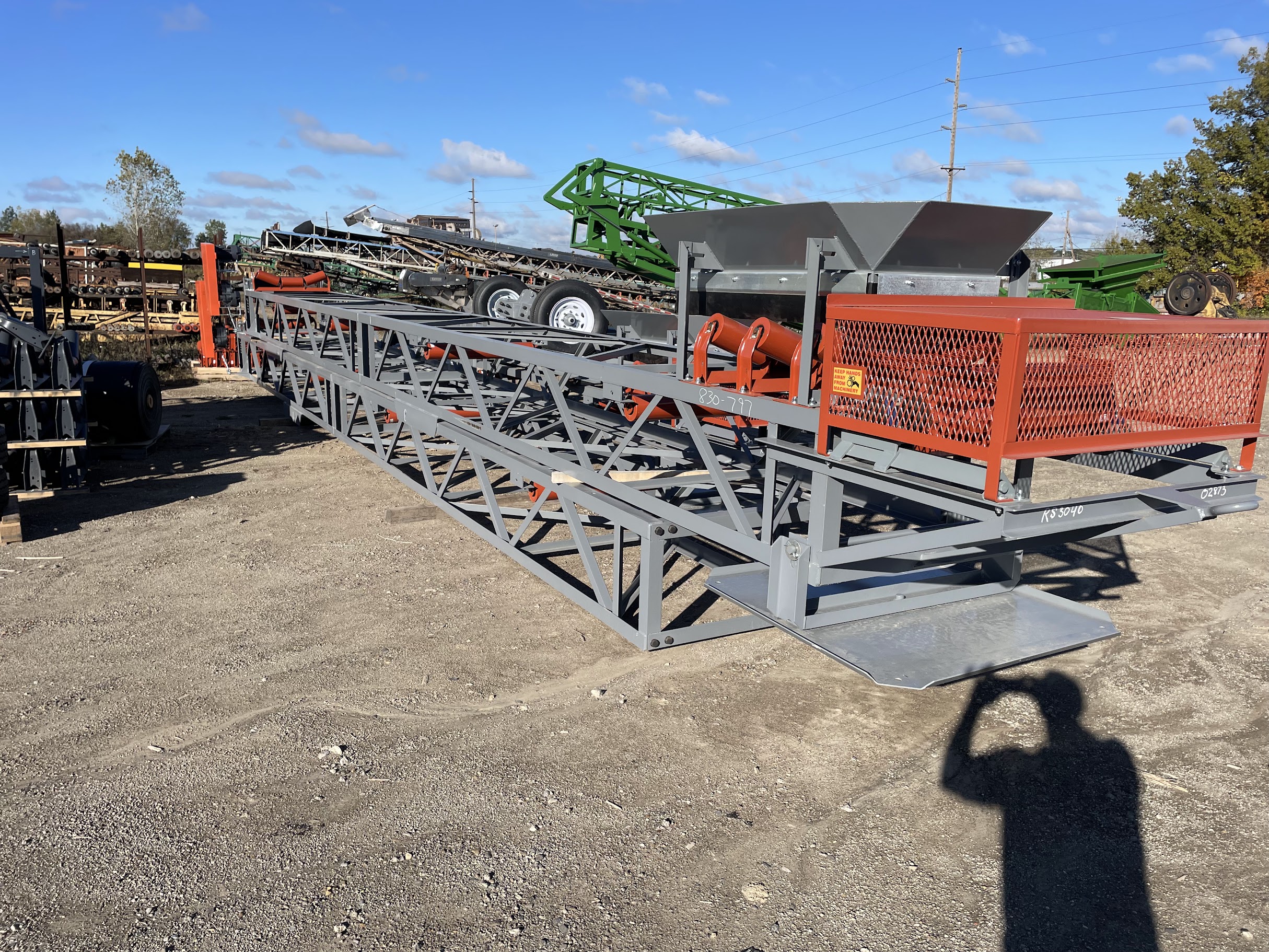
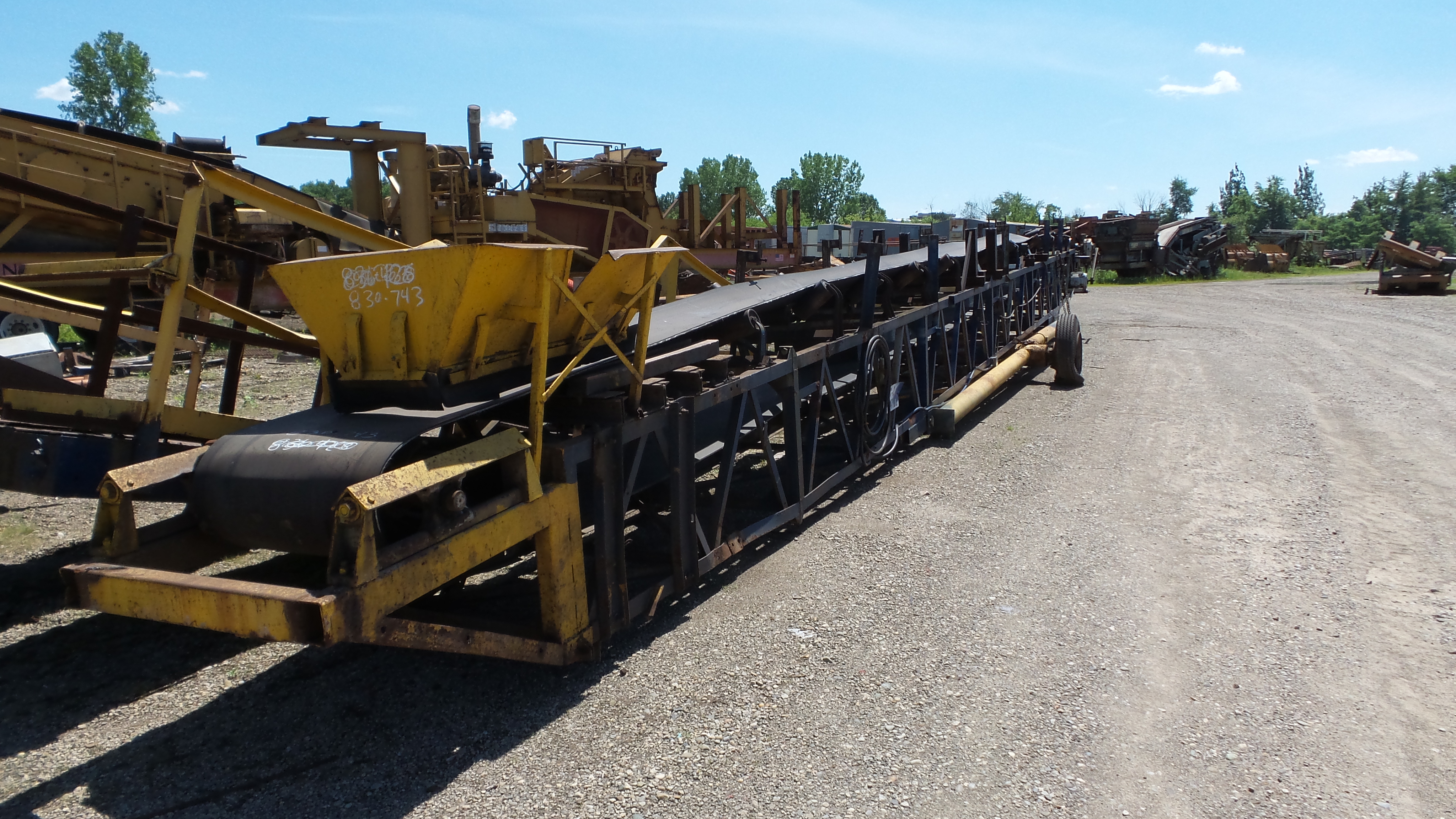
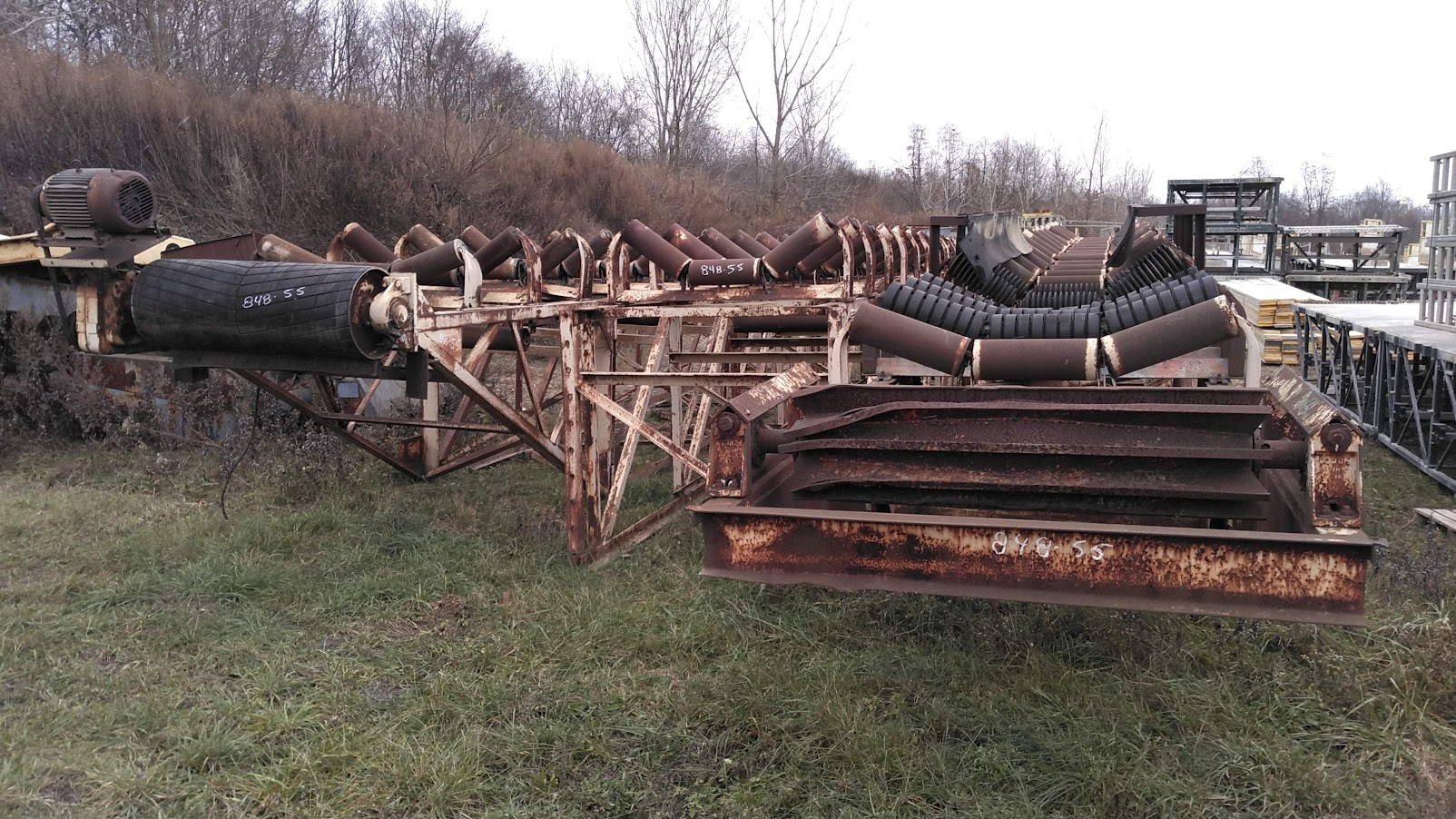
A radial stacking conveyor is often the last piece of equipment operators add to their spread — and the first thing they wish they'd bought sooner. The right stacker eliminates loader work, increases stockpile capacity, and lets your crushing plant run longer between material moves.
Sizing Your Stacker
Three numbers determine the right stacker for your operation:
1. Belt Width
Match your belt width to your plant's output:
| Plant Output (TPH) | Minimum Belt Width | Recommended Belt Width |
|---|---|---|
| Under 200 TPH | 24" | 30" |
| 200 – 400 TPH | 30" | 36" |
| 400 – 600 TPH | 36" | 42" |
| 600+ TPH | 42" | 48" |
2. Length (Discharge Height)
Longer stackers build taller stockpiles. The discharge height determines how many tons you can stockpile before needing a loader to move material:
| Stacker Length | Approximate Pile Height | Stockpile Capacity (Crushed Stone) |
|---|---|---|
| 60 ft | 25 ft | 2,000 – 3,000 tons |
| 80 ft | 32 ft | 5,000 – 7,000 tons |
| 100 ft | 40 ft | 9,000 – 12,000 tons |
| 125 ft | 50 ft | 15,000 – 20,000 tons |
| 150 ft | 60 ft | 25,000+ tons |
3. Radial Travel
Radial (side-to-side) movement spreads the stockpile wider, dramatically increasing capacity. Most modern stackers offer 270-300 degrees of radial travel with automated controls. This means a single stacker can create kidney-shaped stockpiles that hold 3-5x more material than a fixed conveyor.
Popular Brands
Superior Industries
The market leader in radial stackers. Superior's TeleStacker line offers telescoping conveyors that adjust length on the fly, optimizing stockpile shape. Pricing: $100,000 – $350,000 new.
Masaba (Superior)
Now part of Superior Industries, Masaba builds heavy-duty conveyor systems for aggregate operations. Known for durability and ease of service.
McCloskey
McCloskey's stacking conveyors (36x80, 36x100, etc.) integrate well with their crushing and screening plants. Self-contained power units make them easy to deploy independently.
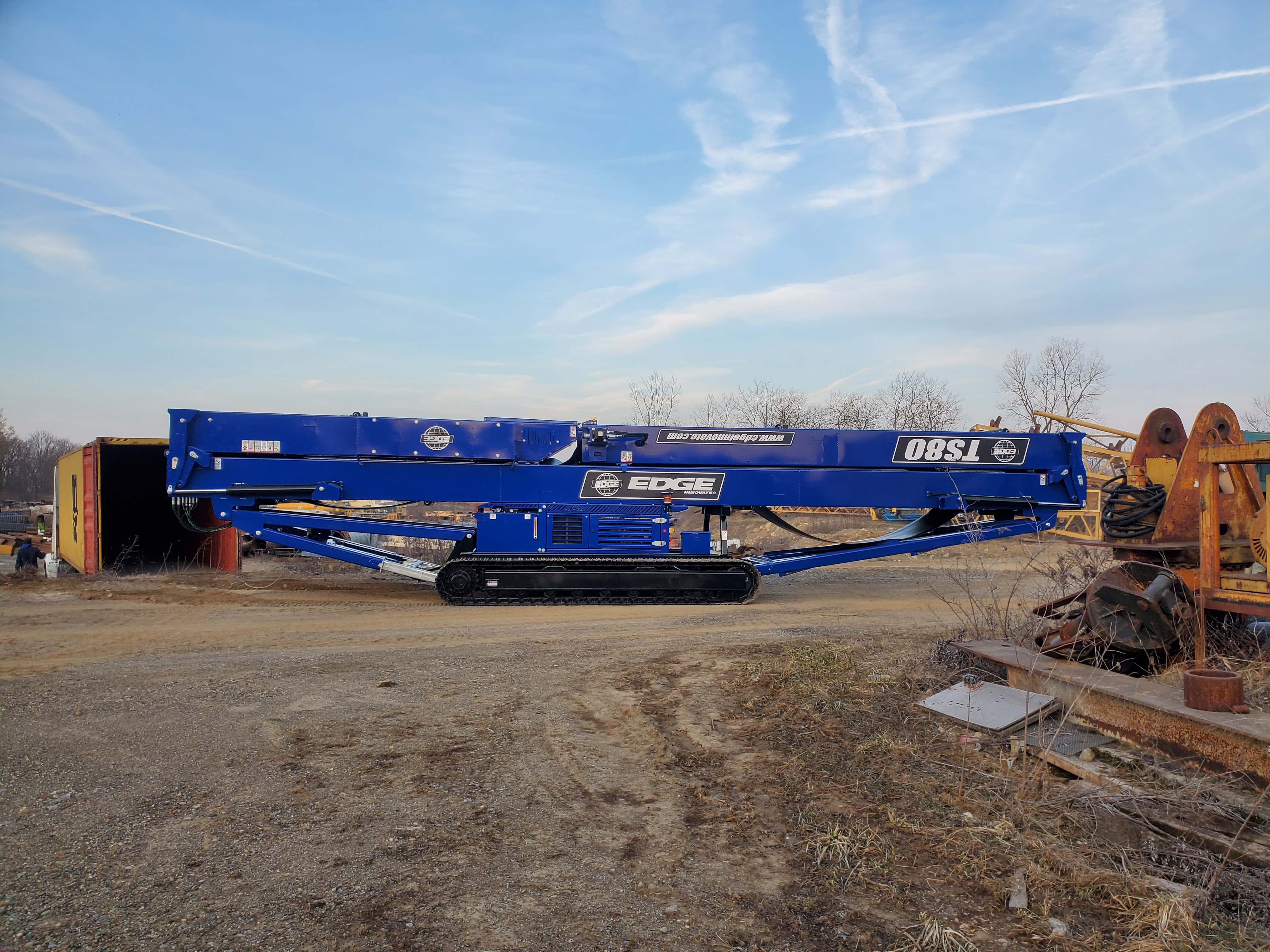
EDGE Innovate
Irish manufacturer known for innovative designs including the EDGE FTS (Forward Tipping Stacker) that can rotate 360 degrees around a central pivot point.
New vs. Used Pricing
| Size | New | Used |
|---|---|---|
| 30" x 60' | $80,000 – $120,000 | $30,000 – $70,000 |
| 36" x 80' | $120,000 – $200,000 | $50,000 – $120,000 |
| 36" x 100' | $175,000 – $275,000 | $80,000 – $150,000 |
| 42" x 125' | $250,000 – $400,000 | $120,000 – $250,000 |
Pro Tips
- Buy longer than you think you need. A 100-foot stacker costs 30% more than an 80-footer but holds nearly double the stockpile. The reduced loader work pays for itself quickly.
- Radial is worth the premium. A radial stacker costs 20-30% more than a fixed conveyor but creates 3-5x larger stockpiles.
- Check belt speed. Higher belt speeds (500+ FPM) handle larger throughput but wear belts faster on abrasive materials.
- Consider power source. Electric-drive stackers cost less to operate than diesel-hydraulic units, but need a gen-set or grid connection on site.
Browse Conveyors and Stackers
View our current inventory of conveyor and stacker equipment from dealers across the East Coast.